
What Are the Top Benefits of Solar Panel Installation?
Share:
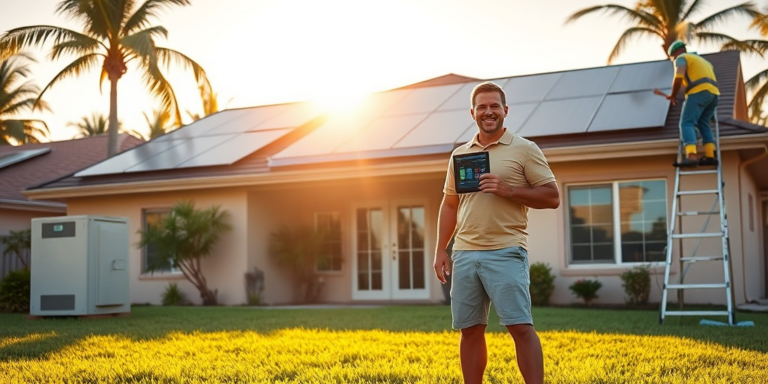
Do you realize that Florida has an abundance of sunshine—over 260 sunny days each year? Imagine harnessing that radiant energy to power your home or business while significantly reducing your utility bills. In 2025, choosing solar is more compelling than ever, given emerging incentives and technological advancements aimed at making solar energy accessible and affordable. This is why understanding the benefits of solar panel installation is essential. In this blog, titled “What Are the Top Benefits of Solar Panel Installation?” we’ll dive into the reasons why adopting solar energy is not just a trend but a smart financial decision for Florida homeowners and commercial property owners alike. With a recent study showing that solar energy can save homeowners up to $50,000 or more over a lifetime (SolarReviews.com), it’s evident that going solar is not only a sound investment but also a path toward energy independence. Furthermore, Florida ranks third in the U.S. for installed solar capacity, making it a prime candidate for solar initiates (SEIA.org). Let’s explore the key benefits you can gain from solar energy and why it’s the right time to consider this incredible technology.
In this post, we will cover:
- Case Study: An inspiring story that illustrates how a Florida family benefited from solar installation.
- Checklist: Five essential steps for maximizing your solar investment.
- Myth-Buster: Common misconceptions about solar energy debunked.
- Local Focus: Florida-specific incentives and stats that make solar even more appealing.
- Technical Deep-Dive: Understanding how solar systems work and their financial implications.
Unlocking the Power of Solar Panels: A Case Study on Benefits
Meet the Ramirez family from Orlando, Florida. When Maria and Carlos realized their annual energy bills were spiraling out of control, they began to research solutions. After learning about the long-term savings with solar energy, they decided to take the plunge. Their solar panels were installed in early 2025, and not only did they generate enough electricity to cover their needs, but they also experienced an overall decrease in their utility costs. By utilizing net metering, where surplus energy is sent back to the grid for credits, the family not only offset their monthly utility charges but also started earning money back.
Taking a closer look at their initial investment, the Ramirez family installed a 7 kW solar power system for around $20,000. With federal tax credits and state grants reducing their upfront costs, their break-even point arrived much sooner than expected. All told, they’re poised to save more than $45,000 over the lifespan of their solar system—a staggering amount that can be invested into their children’s education or retirement fund.
Checklist: Five Steps for Maximizing Solar Savings
Step 1: Conduct a Free Energy Audit. Before installing solar panels, get a comprehensive look at your current energy consumption. Identifying inefficiencies in your home can amplify savings.
Step 2: Research Incentives and Rebates. Both federal and Florida-specific incentives can drastically reduce your overall costs. For example, the federal solar tax credit allows you to deduct 26% of your solar installation costs from your federal taxes (Energy.gov).
Step 3: Choose the Right Solar Provider. Opt for a reputable Florida-based solar company that offers strong warranties and quality equipment. Customer reviews can be an excellent resource!
Step 4: Understand Your Solar Financing Options. Explore zero-down financing plans or leasing options that make the transition to solar seamless and financially sound.
Step 5: Schedule Regular Maintenance. Ensuring your solar panels are working at peak efficiency can lead to increased energy production and savings over the lifespan of your system.
Myth-Busting: Common Misconceptions about Solar Energy
Myth #1: Solar Energy is Too Expensive. With decreasing prices for solar technology and various financing options, going solar is more affordable than ever. Many homeowners see a quick return on their investment from lower utility bills.
Myth #2: Solar Panels Don’t Work on Cloudy Days. While it’s true that panels generate less energy on cloudy days, they still harness a significant amount of sunlight and can produce enough power to meet user needs year-round.
Myth #3: Home Value Doesn’t Increase with Solar Installation. Multiple studies indicate that homes with solar panels sell for more than homes without them. Increased property value can often compensate for the initial investment (NREL.gov).
Myth #4: I Can’t Benefit from Solar if I Live in an HOA. Many homeowner associations now allow solar installations, recognizing the value of renewable energy. Work with your HOA to develop guidelines that can accommodate solar technologies.
Myth #5: Solar Energy is Unreliable. Modern solar technology and battery storage solutions provide consistent energy supply, even during power outages, making it a reliable energy source.
Florida-Specific Focus: Why Going Solar Now Makes Sense
In Florida, solar energy isn’t just a trend; it’s a fundamental shift toward energy independence. With the state’s net metering and favorable regulations, installing solar panels provides financial benefits that few other states can compete with. According to a 2023 report from the Florida Solar Energy Industries Association, residential solar installations increased by over 55% in just the last two years. In addition, the Sunshine State boasts some of the highest financial incentives, with the possibility of saving thousands via rebates and tax credits.
- Florida offers a well-established net metering policy that compensates solar owners for power fed back into the grid.
- The state ranks second per capita in solar installations, providing significant resources for interested homeowners.
- In 2025, the potential for increased state funds directed toward solar development promises to keep costs down.
Technical Deep-Dive: Understanding Your Solar Investment
Installing solar panels is about more than just reducing your electric bills; it’s about understanding the technology, financing, and policy landscape that shapes your experience with solar. Solar power systems typically consist of photovoltaic (PV) panels that convert sunlight into electricity, inverters that translate that direct current into alternating current, and batteries for energy storage. As of 2025, advanced technologies such as bifacial panels and battery storage systems are becoming more mainstream, allowing homeowners to optimize their energy production and consumption.
Additionally, it’s important to consider the utility’s rate structures when investing in solar. For example, many utilities in Florida offer a time-of-use rate structure that can impact savings. Understanding these dynamics is crucial for making an informed decision about solar energy.
Next Steps for Florida Solar Buyers in 2025
Step 1: Audit Your Electric Bill. Start by reviewing your current electricity usage to determine how much solar energy you’ll need.
Step 2: Research Local Solar Companies. Seek out certified installers who have a positive track record in Florida—a quick search at nyelectricandsolar.com can help.
Step 3: Explore Financing Options. Look into zero-down financing or leasing options that minimize upfront costs.
Step 4: Schedule a Solar Consultation. Contact a professional to assess your property and determine the best equipment for your needs.
Step 5: Finalize Your Installation. Once you have selected a provider, finalize your contract and schedule your installation for maximum efficiency.
In conclusion, the debate for whether to install solar panels in Florida has been settled. With the overwhelming benefits of solar energy, the ongoing advancements in technology, and the availability of financial incentives, now is the time to take action. By transforming sunlight into savings, you’re not only investing in your property but also contributing to a greener future for our planet. It’s an investment that unlocks potential savings and provides energy independence.
Ready to start your solar journey in 2025? Connect with a certified expert at nyelectricandsolar.com today.
Related Articles
More insights about Solar Panel

How Many Solar Panels Do You Need in Upstate New York?

Florida Homeowners: Why Solar Panel Maintenance Is Essential

7 Essential Steps for Solar Panel Installation Success
Ready to Go Solar?
Have questions about solar energy? Our experts are here to help you make the switch to clean, renewable energy.