
What Are the Top Benefits of Solar Panel Maintenance?
Share:
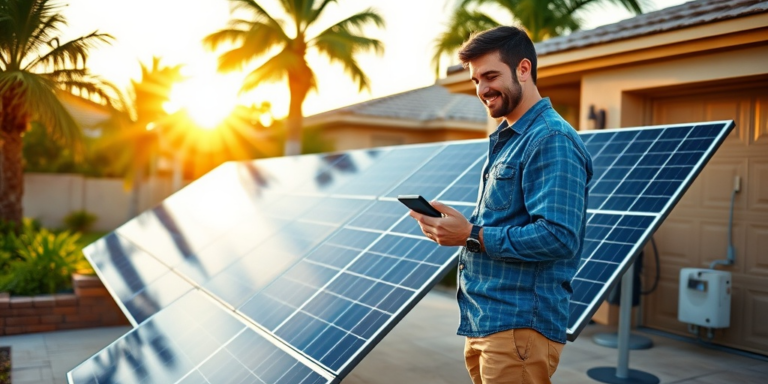
Did you know that regular maintenance of solar panels can boost their efficiency by up to 20%? For Florida homeowners, this translates to significant savings on electric bills and maximizing the return on investment in solar energy. However, many people overlook the critical aspect of solar panel maintenance when considering their long-term solar strategies. In the blog post titled What Are the Top Benefits of Solar Panel Maintenance?, we will explore why proper upkeep is essential not only for enhancing the longevity of your solar panel system but also for ensuring its optimal performance. According to a recent report, Floridians who invest in solar can see their energy bills reduced by an average of $1,700 per year (SEIA.org). Furthermore, solar energy systems can increase a home’s value by approximately 4% (SolarReviews.com).
As we approach 2025, the urgency for homeowners to consider the maintenance of their solar panels has never been greater. With rising energy costs, emerging incentives for renewable energy, and questions surrounding grid stability, it’s crucial to make informed decisions about your solar investments. In this comprehensive guide, we will cover five key sections: a deep dive into the various benefits of maintenance, a proven checklist to maximize your solar system’s performance, common myths about solar panel upkeep, local insights specific to Florida, and technical aspects that underline the importance of regular maintenance.
The Hidden Advantages of Solar Panel Maintenance
Did you know that maintaining your solar panel system can lead to a dramatic increase in its overall efficiency and performance? This brings us to our case study: Meet Emily, a Florida homeowner who made the switch to solar energy three years ago. After installing a 10 kW system, Emily looked forward to all the benefits solar energy promised—lower utility bills and increasing her home’s value. However, she quickly learned that the system required more than just an initial investment; it needed daily attention to perform optimally.
After several months without a maintenance check, Emily had a power bill that was much higher than she anticipated. Frustrated, she called a local solar maintenance company and learned that tree branches were blocking the panels and dirt had collected over time, reducing their efficacy. A routine maintenance service helped clean the panels and adjust their angle for better sun exposure. The result? A staggering 25% increase in energy production the following month. This story underscores a fundamental truth—without regular maintenance, solar panels can underperform and lead to unexpected costs.
Steps for Effective Solar Panel Maintenance
- Inspect Your Panels Regularly: Check for dirt, debris, or any signs of damage.
- Clean As Needed: Use a soft brush or garden hose to remove dirt. Ensure not to use harsh chemicals.
- Check the Inverter: An inverter that shows a red light might need evaluation by a professional.
- Monitor the Performance: Use apps or monitoring systems to track your energy production.
- Professional Inspections: Schedule a qualified technician to perform annual maintenance checks.
Many people still believe that solar panels are maintenance-free. Myth #1 states, “Once installed, you don’t need to think about them.” In reality, solar panels require regular checks to ensure peak performance. Similarly, the belief that all solar panels perform well without monitoring is Myth #2. Data shows a significant drop in production due to issues that arise over time (NREL.gov). Moreover, some homeowners hesitate to clean their panels, thinking it could cause damage—this is Myth #3, as gentle cleaning with the right tools can enhance performance significantly.
Florida-specific statistics reinforce the need for maintenance. According to the Florida Solar Energy Center, systems in areas with higher dust levels (like desert areas or construction zones) require more frequent cleanings to maintain efficiency (FSEC.org). Additionally, as the climate in Florida can lead to significant wear from rain and uv exposure, it’s vital for local homeowners to be proactive.
In terms of the technical aspects, consider this: when the panels accumulate dirt and grime, their ability to absorb sunlight diminishes. A study by the International Renewable Energy Agency found that dirty panels can suffer a production loss of up to 50% (IRENA.org). The data clearly supports the case for ongoing maintenance—it’s not just an option; it’s a necessity for homeowners eager to optimize their energy savings.
Investing in a maintenance plan not only secures the longevity of your solar panels but also ensures your energy production stays on track. With the simple steps and clarifications provided here, it’s clear that maintaining your solar energy system is a part of ownership, akin to maintaining your car or your home. Make the commitment to ensure your solar panels are in peak condition, and your efforts will surely pay off—literally.
Five Steps to a Complete Solar Maintenance Checklist
Having a clear, actionable maintenance checklist is essential for any Florida homeowner looking to keep their solar systems running at peak efficiency. By following defined steps, you can proactively prevent issues that detract from your solar energy ambitions. Here is an effective checklist to consider:
- Step 1: Audit Your Electric Bill. Regularly monitor your energy consumption against solar energy production to identify any inconsistencies. You should expect to see reductions that correlate with your solar installation timeline.
- Step 2: Clean the Panels. Schedule a cleaning every six months or sooner if dust or debris is clearly affecting your system. For Florida homeowners, a good time to conduct this maintenance is after pollen season or heavy storms.
- Step 3: Inspect All Connections. Check for loose or corroded wires, as these can lead to energy loss and safety hazards. Make a habit of visually inspecting your inverter and junction boxes.
- Step 4: Review Your Inverter. Confirm that the indicator lights are functioning normally; a malfunctioning inverter can drastically reduce panel efficiency.
- Step 5: Professional Consultation. Schedule annual inspections with a qualified technician to provide a comprehensive assessment of your entire solar setup.
Integrating professional consultations ensures you are aligned with the latest developments and strategies for maintaining an optimal solar setup. This partnership can also keep you informed about Florida’s legislative and policy changes affecting solar energy use. For more on how to incorporate these practices, consider visiting nyelectricandsolar.com.
Demystifying Solar Maintenance: Myths and Facts
As solar energy gains popularity in Florida, various misconceptions about solar panel maintenance have emerged. Let’s tackle some of these prevalent myths to clarify what maintenance truly entails. By dispelling these myths, we can empower Florida residents to make informed decisions about their solar systems.
First up, Myth #1: “Solar panels are self-cleaning.” This myth often leads homeowners to neglect cleaning efforts, thinking the rain will suffice. Contrary to this belief, dirt from birds, pollen, or dust can accumulate significantly, limiting solar efficiency. Studies show that unclean panels can result in losses of up to 25% in energy production over time.
Myth #2 insists that no maintenance is required for the life of the solar panels. Truthfully, while solar panels are designed for longevity (roughly 25 years), factors such as local climate and environmental conditions require ongoing oversight. Depending on the region, regular checks can lead to substantial long-term savings.
Furthermore, Myth #3 tries to convince homeowners that maintenance means costly repairs. In reality, most maintenance activities are inexpensive yet yield huge returns by preserving system efficiency. Small, routine upkeep can prevent large-scale failures before they occur.
Myth #4 states that once solar panels are installed, they don’t require monitoring or data collection. The reality is that using modern monitoring tools can help homeowners rapidly identify performance drops, which could signal a maintenance issue. Incorporating these systems ensures that homeowners maximize their solar energy production continually.
A lesser-known myth is Myth #5: “Years without maintenance won’t affect overall panel health.” This analogy is akin to ignoring routine car maintenance; just as neglecting oil changes can lead to engine failure, failing to maintain solar panels can lead to inefficient energy production and higher costs over time.
The Technical Side: Expanding on Solar Maintenance Practices
Solar panel systems consist of various components that all play crucial roles in energy production and efficiency. Understanding these components can help homeowners better appreciate why maintenance is important. Consider this breakdown:
- Solar Panels: Collect sunlight and convert it to electricity. Regular cleaning ensures maximum light absorption.
- Inverters: Convert DC electricity from the panels into AC electricity for home use. An inverter should be monitored to ensure it’s functioning correctly.
- Batteries: Store the energy generated for use during non-sunny hours. Battery maintenance includes monitoring charge levels and overall performance.
- Mounting Systems: Hold the solar panels in place; damage from weather or rust must be checked continuously.
- Wiring/Connections: Poor connections can lead to energy losses; regular inspections are critical to prevent overheating and possible hazards.
As part of a thorough maintenance approach, consider how local Florida weather can impact these components. Tropical storms and humidity can expedite wear, leading to performance issues. Keeping components clean, dry, and clear from debris helps mitigate these risks and prolong solar energy longevity. Furthermore, annual inspections by qualified technicians can ensure that your system meets all local building and safety codes (Florida Solar Energy Center).
With 2025 approaching, Florida is expected to continue expanding its solar energy capacity significantly. Data projects that solar energy in the state could meet over 30% of electricity needs by 2030 (SEIA.org). Obtaining this potential requires ongoing maintenance of existing systems and engagement with innovative solutions. For those interested in maximizing their solar investment, understanding and addressing maintenance needs will be paramount.
Next Steps for Florida Solar Buyers in 2025
As we wrap up this exploration into the benefits of solar panel maintenance, it’s vital to understand the actionable steps you can take to protect your solar investment moving forward.
- Step 1: Audit Your Electric Bill. Review your past bills, focusing on energy usage patterns and production data from your solar setup. This is essential for identifying discrepancies and areas for improvement.
- Step 2: Create a Cleaning Schedule. Based on regional dust and pollen levels, establish a timeline for cleaning your panels regularly. A proactive approach can significantly enhance energy production.
- Step 3: Conduct Regular Inspections. Periodically check the system for visible issues such as debris accumulation or corroded connections. Addressing these problems early can prevent bigger headaches.
- Step 4: Consult a Professional. Secure an experienced solar technician to conduct an annual check-up. This can uncover hidden issues and extend the life of your system.
- Step 5: Stay Informed. Keep up to date with local solar policies and incentives provided by the state. Engaging with a knowledgeable provider like nyelectricandsolar.com can be particularly beneficial.
By taking these steps, you position yourself to maximize both efficiency and savings from your solar energy system. In the face of rising energy costs and the increased importance of sustainability, maintaining your solar setup is a proactive choice that contributes to financial security and environmental responsibility.
In conclusion, keeping up with solar panel maintenance is not just a matter of protecting your investment; it’s about ensuring that you harness the full potential of solar energy. From regular inspections to demystifying myths, every step taken contributes to a more efficient, effective system. With 2025 around the corner, now is the perfect time to reflect on maintenance and begin exploring the full benefits of your solar power setup.
Ready to start your solar journey in 2025? Connect with a certified expert at nyelectricandsolar.com today.
Related Articles
More insights about Solar Panel

How Many Solar Panels Do You Need in Upstate New York?

Florida Homeowners: Why Solar Panel Maintenance Is Essential

7 Essential Steps for Solar Panel Installation Success
Ready to Go Solar?
Have questions about solar energy? Our experts are here to help you make the switch to clean, renewable energy.