
The Truth About Solar Panel Lifespan Myths You Need to Know
Share:
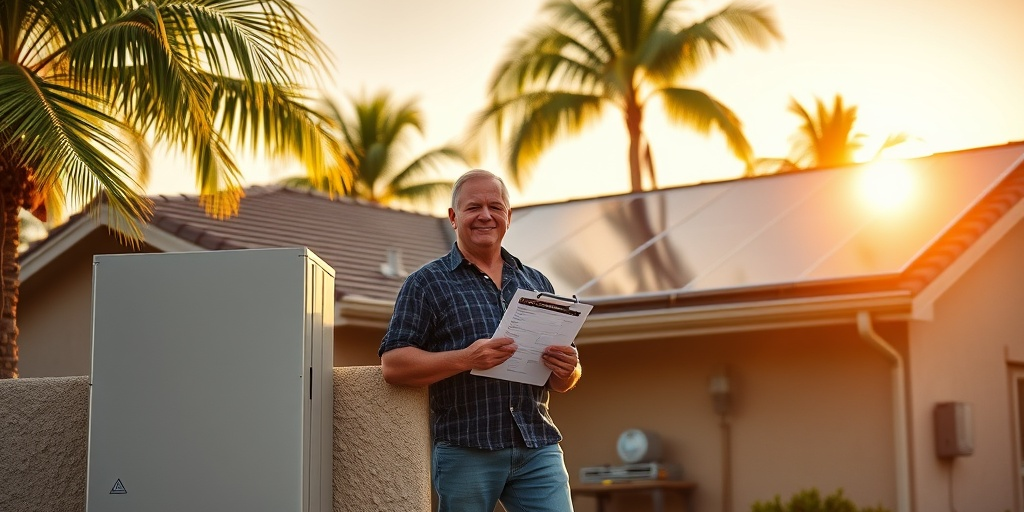
Imagine this: You decide to invest in solar energy, eager to cut your electric bills and gain energy independence. Yet, as you research, you stumble upon numerous myths about solar panel lifespan that leave you feeling confused or even wary of your decision. It’s a frustrating predicament and one many Florida homeowners find themselves in. Today, we’re unraveling these myths to empower your choices with the truth. Welcome to “The Truth About Solar Panel Lifespan Myths You Need to Know.” Did you know that solar panels are designed to last between 25 and 30 years, and can still produce energy at around 80% efficiency even after that period? According to the Solar Energy Industries Association (SEIA), the average cost of solar panel installation has dropped by over 70% since 2010, making the investment more accessible than ever. With rising energy costs and new incentives set for 2025, it’s crucial to be informed. In this article, we’ll explore five key sections: a deep dive into common myths, a practical checklist for evaluating your solar options, best practices for installation, a narrative journey of a Florida homeowner’s experience, and actionable next steps for those ready to invest in solar energy.
Understanding Solar Panel Lifespan: More Than Just a Number
As you delve into the solar energy arena, you may encounter various misconceptions, particularly surrounding the lifespans of different components of a solar energy system. For instance, let’s examine a Florida homeowner named Sarah. After researching solar installations for months, she finally decided to commit. Yet, doubts lingered—would she have to replace her panels in just a few years? What if her initial investment didn’t pay off?
To empower homeowners like Sarah, here’s a checklist of key considerations when evaluating solar panel longevity:
- Manufacturer Warranty: Look for panels offering warranties of 25 years or more. This usually indicates confidence in the product’s lifespan.
- Quality Certifications: Ensure that the solar panels meet standards like IEC 61215 or IEC 61730, which ensure long-term performance under various environmental conditions.
- Efficiency Degradation Rate: Most high-quality panels degrade at a rate of about 0.3% per year. After 25 years, they may still operate at about 80% capacity, which debunks the myth that their performance drops to zero rapidly.
When investigating solar panels, many assume that once the warranty is up, the panel’s life is over. However, this is far from the truth. Indeed, many of today’s panels can last upwards of 30 years, with some manufacturers claiming performance lasts even longer when adequately maintained. In fact, according to a study by the National Renewable Energy Laboratory, solar panels installed in the early 1980s are still functioning today, which demonstrates that investing in solar energy is a long-term benefit rather than a fleeting trend (NREL.gov).
Myth #1: Solar Panels Only Last 5-10 Years
Many people hold the misconception that solar panels require replacement after only a few years. This myth likely stems from outdated information or misunderstandings about technological advancements in solar energy. In reality, photovoltaic (PV) panels can last between 25-30 years, with many sustaining efficiency levels above 80% over their lifetime (SEIA.org).
Addressing local statistics, Florida boasts an average of 237 sunny days a year, creating ideal conditions for solar energy production. The Sunshine State is leaning heavily towards renewable energy, with over 100,000 residential and commercial solar installations currently serving its energy needs (DSIREUSA.org). As solar technology continues to evolve, many companies offer comprehensive warranties—including performance guarantees—making the upfront investment worthwhile.
With the right selection and maintenance, Florida homeowners can not only break even on their solar investments but potentially save tens of thousands over the life of their system.
Decoding Common Solar Lifespan Myths
Myth #2: Solar Panels Lose Their Efficiency Too Quickly
Another prevalent myth is that solar panels rapidly lose their ability to convert sunlight into energy. This misconception can mistakenly dissuade homeowners from investing. In reality, crystalline silicon solar panels, which account for over 90% of the global solar market, degrade at an average of 0.3% efficiency loss per year (SolarReviews.com). This means that after 25 years, the panels can still produce energy effectively, thus providing tremendous value over their operational life.
Myth #3: Poor Performance in Cloudy or Rainy Conditions
Many are hesitant to invest due to beliefs about weather impacts. It’s vital to understand that while direct sunlight is the best for energy production, solar panels can still generate electricity from diffused sunlight on cloudy days. In Florida, where sunshine predominates, this means that solar panels can perform remarkably well even during less-than-ideal conditions, providing a great return on investment in various weather scenarios.
Myth #4: Solar Panel Maintenance is Too Complex
Some may think that maintaining solar panels requires extensive technical knowledge. The truth is that most solar installations are designed to be low-maintenance. Keeping the panels free of debris, such as leaves or dust, is often all that’s needed. Rain typically helps to clean the panels naturally, and periodic inspections can ensure everything is working as expected.
Myth #5: Solar Battery Lifespans are Equally Short
Battery storage is vital for maximizing your solar investment and often seen as unreliable. While traditional lead-acid batteries may not last long, newer lithium-ion batteries can last up to 10-15 years. They work seamlessly with solar installations, ensuring energy is stored for when the sun isn’t shining and saving homeowners money on electric bills through peak shaving.
Through these myth-busting insights, it’s clear that solar power is a robust, sustainable investment that continues to grow in efficacy and return.
5 Essential Solar Installation Tips for 2025
Thinking about going solar? Here are five expert tips that every Florida homeowner should consider before making the switch:
- Evaluate Local Incentives: As of 2025, federal tax credits for solar installations can cover up to 26% of installation costs, making this an opportune time to invest. Always verify what county-specific incentives are available to maximize savings.
- Choose the Right Installer: Select a certified solar installer with a proven track record. Look for testimonials, performance metrics, and warranties that indicate reliability.
- Conduct an Energy Audit: Before installation, assess your household energy usage and consider making efficiency upgrades. This will maximize your solar investment and reduce your overall energy consumption.
- Opt for Quality Products: Investing in high-quality solar panels and inverters is crucial. Ensure they have reputable industry certifications and long warranties (25 years or more).
- Monitor System Performance: Utilize monitoring software or apps to track your system’s performance. Regularly check for any drops in energy production, indicating potential issues needing attention.
As Florida homeowners step into the future of energy consumption, following these best practices can lead to a seamless transition and continued energy savings.
The Solar Journey of a Florida Homeowner
Consider the story of Mark and Linda, a couple living in Tampa, facing soaring energy costs due to Florida’s hot summers. After much deliberation and research, they decided to invest in solar panels in 2025. They initially secured a 26% federal tax credit, significantly easing their financial burden. However, they were still apprehensive about long-term performance. Here are some key lessons from their experience:
- Research Pays Off: Mark dedicated weeks to understanding the types of panels, costs, and efficiencies before making any decisions.
- Utilize Incentives: Their local utility offered rebates for energy-efficient home upgrades, allowing for additional savings.
- Trust the Experts: Working with a certified local installer ensured their system was installed efficiently and was cost-effective.
- Long-Term Savings: After calculating their savings—that included reduced energy bills and available incentives—Mark and Linda found they would pay off their initial investment in just under seven years.
Proudly sharing their story with friends, Mark and Linda advocate for solar energy, proving that investing in solar technology is not a mere trend, but a sustainable lifestyle choice that pays dividends in both savings and environmental impact.
Next Steps for Florida Solar Buyers in 2025
Ready to embark on your solar journey? Here’s a structured action plan for Florida homeowners in 2025:
- Step 1: Audit Your Electric Bill: Analyzing your bill reveals your energy consumption patterns, which can be useful when sizing a solar system for your home.
- Step 2: Research Your Installer Options: Use resources like nyelectricandsolar.com to discover reputable local installers with verified histories.
- Step 3: Explore Financial Options: Check if your bank or credit union offers favorable terms for solar loans.
- Step 4: Consult with Experts: Schedule consultations with certified solar experts to evaluate your needs and tailor solutions specific to your property.
- Step 5: Enjoy Long-Term Benefits: After installation, monitor energy production and celebrate your commitment to sustainability.
Taking these actionable steps can pave the way for an efficient solar transition, ensuring you’re ready to harness the power of the sun for years to come.
Recap: Solar Power for a Sustainable Future
Throughout this journey, we’ve uncovered essential truths about solar panel lifespans and debunked common myths that may have deterred your investment. Understanding that solar panels typically last 25 to 30 years, with many sustaining over 80% efficiency, is vital. In a time when energy prices are expected to rise, and renewable incentives are kicking in, there has never been a better moment for Florida homeowners to make the switch to solar energy. The long-term benefits for your wallet, family, and the environment are too significant to ignore. The climate crisis looms larger than ever, and adopting solar energy is one impactful step toward a sustainable future.
Ready to start your solar journey in 2025? Connect with a certified expert at nyelectricandsolar.com today.
Related Articles
More insights about Solar Panel

Florida Homeowners: Why Solar Panel Maintenance Is Essential

7 Essential Steps for Solar Panel Installation Success

Expert Insights: Key Factors Influencing Solar Panel Lifespan
Ready to Go Solar?
Have questions about solar energy? Our experts are here to help you make the switch to clean, renewable energy.