
Warning: Avoid These Common Solar Panel Scams
Share:
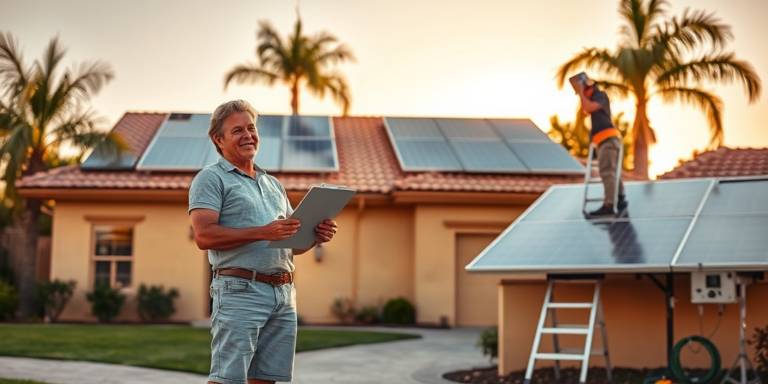
As the sun blazes down on the beautiful state of Florida, countless homeowners are considering switching to solar power to harness that radiant energy for their homes. Their decision is spurred by a hefty increase in energy bills; in fact, Floridians saw a 6.2% increase in their electricity rates in the last year alone (Energy.gov). With heightened interest in solar power comes the unfortunate reality of scams lurking in the shadows. These scams pose a significant risk to unsuspecting consumers who are eager to embrace clean and affordable energy solutions. In our article titled Warning: Avoid These Common Solar Panel Scams, we’ll unravel the various pitfalls homeowners must avoid while navigating this burgeoning market. In 2025, as the federal solar investment tax credit approaches its potential expiration, understanding these scams is more crucial than ever. It’s imperative to equip yourself with the right knowledge to secure not only your investment but also a reliable and efficient solar system for your home. In this guide, we will tackle five essential areas: common solar panel scams, a checklist for avoiding these scams, myth-busting some prevalent misconceptions, exploring local insights specific to Florida, and conducting an in-depth analysis of technical elements to consider. Let’s dive in!
Common Solar Panel Scams and How to Identify Them
With solar energy on the rise, so too are the associated scams targeting Florida homeowners. Unfortunately, those looking to take advantage of tax incentives and lower electricity rates often fall prey to deceitful marketing tactics and unethical sales practices. To avoid these pitfalls, it is essential to be aware of the different types of solar scams and how to identify them before making any commitment.
A classic example of a scam occurs when homeowners are approached by salespersons promising to install solar panels at little to no upfront cost. This tactic is often accompanied by aggressive sales pitches suggesting that there is limited availability of the offer. In reality, these deals frequently disguise long-term contracts with exorbitant rates or hidden fees. A case from a community in Orlando illustrates this scenario. The homeowner thought they were making a sound investment by signing on for a “no-money-down” deal that ended up costing them more than if they had paid outright for a traditional system.
To help you avoid similar situations, here’s a checklist of actionable steps to follow:
- Research the Company: Before signing a contract, check the company’s reputation. Use platforms like the Better Business Bureau or SolarReviews.com to read verified testimonials (SolarReviews.com).
- Request Detailed Proposals: Ask for a detailed breakdown of costs, savings projections, and financing options. Compare offers from multiple companies to ensure you are getting a fair deal.
- Check Licensing and Certification: Ensure that the company has the necessary licenses and certifications to operate in Florida. Companies should be registered with the Florida Department of Business and Professional Regulation.
- Be Wary of Aggressive Sales Tactics: If a salesperson pressures you to make a quick decision, consider it a red flag. A reputable company will provide you with ample time to review their offer.
- Understand Contract Terms: Carefully read the terms of service before signing. Pay attention to details concerning warranty, maintenance, and cancellation fees.
As you review solar offers, remain vigilant. The solar industry has made impressive strides in technology and efficiency, but with that growth comes potential dishonesty. For every legitimate provider, there are scammers capitalizing on consumer eagerness.
Debunking Myths About Solar Investments
Despite growing awareness, many misconceptions surround solar energy that can cloud homeowners’ judgment. Let’s take a closer look at some prevalent myths and expose the truth behind them.
- Myth #1: Solar Panels Don’t Work on Cloudy Days – A common misconception is that solar panels are ineffective in overcast weather. In reality, solar panels can generate electricity even in shades or cloudy conditions, albeit at a reduced efficiency compared to bright sunny days (Energy.gov).
- Myth #2: Solar Energy is Too Expensive – Many believe that the initial cost of solar panel installation is prohibitive. However, with federal tax credits, state incentives, and financing options available, solar energy has become significantly more accessible. A study from the Solar Energy Industries Association shows that the average cost of solar installations has dropped over 70% in the past decade (SEIA.org).
- Myth #3: Solar Panels Will Ruin Your Roof – Homeowners often fear that installation will damage their roof. On the contrary, qualified installers actually enhance roof integrity by ensuring proper sealing and installation techniques.
- Myth #4: You Need to Live in a Sunny Area – While Florida is known for its sunshine, solar energy works in a range of climates. Homes in less sunny states have successfully adopted solar technologies for various financial and environmental benefits.
- Myth #5: You Can’t Sell Your Home with Solar Panels – In fact, potential buyers view solar installations as a desirable asset, often leading to higher property values. Studies have shown that homes with solar panels sell for an average of $15,000 more than homes without them (SolarReviews.com).
With these prevalent myths busted, Florida homeowners can approach solar power with a clearer understanding and a more informed perspective. For reliable resources about solar investment, visit nyelectricandsolar.com.
Exploring Local Insights: Florida’s Solar Landscape
Florida has become a hot spot for solar energy development, largely due to its abundant sunshine and various supportive policies in place. However, the landscape is not free from challenges and misconceptions. A deeper understanding of local solar regulations and incentives is crucial for homeowners looking to make the switch.
One notable local incentive is the Florida Solar Income Tax Exemption, which allows homeowners to deduct the full cost of their solar system from their personal income taxes. This can significantly reduce the effective cost of installation, putting solar even closer within reach for many families (DSIREUSA.org).
What else should Florida homeowners know about the market? Here are some pointers:
- Property Assessed Clean Energy (PACE): This financing option allows homeowners to pay for solar improvements through an assessment added to their property tax bill.
- Net Metering: Florida mandates net metering, allowing homeowners with solar systems to receive credit for the excess energy they generate and send back to the grid. This can further enhance savings on energy bills.
- Local Solar Programs: Cities like Orlando and Miami have introduced their solar programs, expanding access to residents and commercial property owners looking to go green.
Ultimately, understanding local regulations and incentives offers an edge to Florida homeowners preparing to invest in solar energy. Learn more about local policies and options at nyelectricandsolar.com.
Technical Deep Dive: Understanding Your Solar System
The technical aspects of solar power can often be overwhelming, but having a clear understanding is vital for making informed decisions. It revolves around three main components: solar panels, inverters, and batteries, each contributing to the efficiency and effectiveness of your solar energy system.
First, let’s dissect solar panels. Most residential systems utilize photovoltaic (PV) panels designed to convert sunlight into electricity. Panel quality and efficiency ratings are paramount—consider investing in high-performance panels from reputable manufacturers, as these can yield better returns over time.
Next is the inverter, the part of the system responsible for converting DC electricity generated by solar panels into AC electricity used in homes. The inverter’s efficiency can greatly influence overall performance and should be paired with quality panels for optimal outcomes.
Lastly, the inclusion of a battery for energy storage can enhance independence from the grid and provide backup during outages. While battery systems entail additional costs, they can notably maximize solar savings in the long run as they allow homeowners to store excess energy generated during peak sunlight hours.
Consider the following essential points when analyzing solar systems:
- Compare Panel Efficiency: Look for panels with higher efficiency ratings, generally ranging from 15% to 22%.
- Assess Warranty Options: Insist on warranties that cover both the panels and the inverter to protect your investment.
- Understand Energy Needs: Analyze past energy consumption to ascertain the adequate system size and battery storage required.
Consulting with solar experts can provide critical insight into these components while helping you navigate offers and ensure that the system you choose meets your energy needs effectively.
Next Steps for Florida Solar Buyers in 2025
Now that you are armed with a wealth of knowledge to secure your investment, what should you do next? The transition to solar should be undertaken with careful planning and consideration. Here’s a straightforward action plan to follow:
- Audit Your Electric Bill: Review your last 12 months of electricity bills to understand your consumption patterns and peak usage times.
- Schedule Consultations: Reach out to multiple solar companies for energy audits and quotes. Always ask them about potential scams to watch out for.
- Consider Financial Options: Explore state and federal incentive programs, tax credits, and financing options that can save you money upfront.
- Review Proposals Thoroughly: Analyze the offers and ensure they include transparent details about all fees, warranties, and savings projections.
- Make Your Choice: Once you’ve gathered all the information, choose a reliable installer that aligns with your budget and energy needs.
As you craft your solar journey, remember to leverage available resources and expert advice. If you need further guidance or wish to explore solar options, connect with a certified expert at nyelectricandsolar.com.
In conclusion, the journey toward solar energy presents an incredible opportunity for Florida homeowners to reduce their electric bills, invest in sustainable technology, and contribute to a greener planet. Equipped with a deeper understanding of the solar landscape, awareness of prevalent scams, and knowledge of local regulations, you can venture into the world of solar power confidently. Remember to act quickly, as 2025 is approaching, and with the potential expiration of tax incentives, now is the time to secure your investment for a brighter and more sustainable future. Don’t wait any longer; take the plunge into the sun-filled world of solar. Ready to start your solar journey in 2025? Connect with a certified expert at nyelectricandsolar.com today.
Related Articles
More insights about Solar Panel

How Many Solar Panels Do You Need in Upstate New York?

Florida Homeowners: Why Solar Panel Maintenance Is Essential

7 Essential Steps for Solar Panel Installation Success
Ready to Go Solar?
Have questions about solar energy? Our experts are here to help you make the switch to clean, renewable energy.