
Warning: Avoid These Common Solar Scams in Florida
Share:
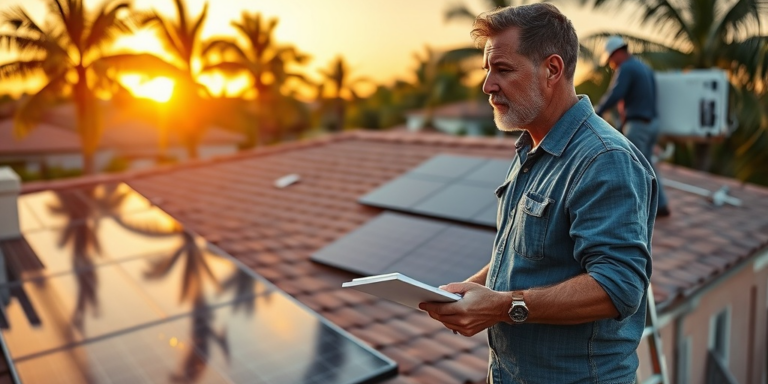
Every day, more Florida homeowners are discovering the incredible benefits of solar energy, but as solar popularity grows, so does the risk of falling victim to scams. Did you know that as of 2023, Florida accounted for over 20% of all the solar installations in the southeastern United States (SEIA.org)? With such rapid growth, it’s crucial to be aware of potential pitfalls. Consequently, we present this essential guide titled Warning: Avoid These Common Solar Scams in Florida, designed to empower you against deceptive practices and ensure that your investment in solar energy is both legitimate and lucrative.
As a state rich in sunshine, Florida stands to benefit significantly from solar power, making it an appealing target for scammers. Between 2019 and 2021, the number of reported solar-related scams increased by over 30% (SolarReviews.com). Florida homeowners need to navigate this landscape carefully, especially in 2025, as new incentives and regulations offer opportunities but may also attract unscrupulous operators. In the midst of evolving energy policies, rising electric costs, and unpredictable grid factors, understanding how to protect yourself has never been more urgent.
In this article, you will discover:
- The alarming realities of common solar scams and how to spot them.
- A checklist of actionable steps to safeguard your solar installation.
- Myths that continue to circulate about solar energy investments.
- Florida-specific factors that affect solar buyers.
- Essential technical knowledge about solar technology and billing systems.
Let’s embark on this enlightening journey to elevate your understanding and confidence in making the switch to solar energy.
A Closer Look at Common Solar Scams in Florida
Imagine this scenario: it’s a sunny Florida afternoon, and you’re thrilled about installing solar panels on your home. You envision lower energy bills and a positive environmental impact. Suddenly, a salesperson knocks on your door with an irresistible offer. They promise a complete installation with significant rebates if you sign today. Though appealing, you sense something isn’t quite right. This story illustrates a reality many Florida homeowners face. People fall prey to aggressive tactics from opportunistic scammers, offering “too good to be true” deals that may not deliver on their promises.
Many scams target unsuspecting individuals who are less informed about the solar market. Recognizing these red flags can save you from considerable financial loss and frustration. Here’s a checklist of steps you should take when considering your solar installation:
- Research Reliable Companies – Look for organizations with outstanding reviews and ratings. Confirm their credentials and affiliations with reputable solar associations.
- Understand Your Needs – Before soliciting quotes, know your energy consumption patterns and determine the right system size for your home.
- Get Multiple Quotes – Always compare offers from several providers to spot discrepancies in pricing or services.
- Watch for High-Pressure Sales Tactics – Be cautious if a salesperson rushes you into signing. Real professionals give you time to do your research.
- Verify Financing Options – Check loan terms and conditions. Scammers often offer financing plans with hidden fees or high-interest rates.
Being diligent about these steps can safeguard you from falling victim to scams. However, recognizing scams is not enough; it’s just as important to separate fact from fiction in the solar world. Let’s debunk some myths that persist despite evolving information.
Common Myths About Solar Energy Investments
Myth #1: Solar Panels Are Too Expensive – While the initial investment for solar technology can appear significant, advancements in technology and financing options have dramatically lowered costs. Solar installations have decreased by 70% since 2010, making it more accessible to homeowners than ever before (NREL.gov).
Myth #2: Solar Energy Isn’t Reliable – Many believe Florida’s rainy seasons render solar power ineffective. However, solar panels produce energy even in cloudy conditions and are designed to capture sunlight efficiently, making them a reliable long-term investment.
Myth #3: All Solar Companies are the Same – This is further from the truth. Companies differ in their product offerings, service quality, and warranties. Always do thorough research to ensure you’re choosing a trusted provider.
Myth #4: Government Incentives Are Not Available – While the federal tax credit is reducing, it remains in effect and various state programs help offset your costs. For Florida homeowners, periodic updates and incentives are worth tracking to maximize savings.
Myth #5: Solar Power Decreases Home Value – Quite the opposite! In many cases, homes equipped with solar energy systems increase their market value as buyers are keen to capitalize on low utility bills and sustainable living (DSIREUSA.org).
Armed with the truth about solar energy and some actionable tips, Florida homeowners can navigate the solar landscape confidently. Let’s now dive deeper into local regulations and policies that specifically affect solar buyers in Florida.
Florida-Specific Considerations for Solar Buyers
When contemplating solar installation, local factors play a crucial role in your decision-making. Florida has some unique attributes and regulations that can greatly influence your experience:
1. The Solar Rights Act: Florida homeowners have the right to install solar energy systems without overly restrictive local ordinances. This helps protect homeowners against potential adversities when navigating permits.
2. No State Sales Tax: Installations of solar systems are exempt from state sales tax, which can represent a considerable savings when investing in solar technology.
3. Net Metering: Florida’s net metering policy allows homeowners to receive credits for the surplus energy produced by their solar systems, helping to further reduce electric bills.
4. Property Assessed Clean Energy (PACE): PACE financing allows property owners to fund their solar projects while making payments via property tax assessments. This initiative often comes with favorable interest rates.
5. Local Utility Policies: Each utility company in Florida may have specific regulations or requirements concerning solar installations. Understanding these can prevent future complications and ensure proper integration.
Being informed about Florida’s solar policies enhances your ability to navigate the solar terrain effectively. Yet, understanding the technical side is equally vital. It is essential to grasp the components of solar systems to feel secure in your investment.
Understanding Solar Technology and Billing Systems
To confidently navigate your solar-installation journey, gaining knowledge about the technical aspects of solar systems and billing is essential. Here are the key components you should understand:
- Solar Panels: These are the core of any solar system. They convert sunlight into electricity. Ensure you are knowledgeable about efficiency ratings and panel types (monocrystalline, polycrystalline, etc.) as they affect overall performance.
- Inverters: Essential for converting the DC electricity generated by solar panels into AC electricity for your home. There are various inverter types, each with distinct advantages and disadvantages.
- Battery Systems: For energy storage, battery systems enable you to save excess energy produced during sunny days for use at night or during cloudy conditions. Evaluate options like lithium-ion and lead-acid batteries for performance and longevity.
- Smart Meters: These devices track your energy consumption and production, helping manage your energy use while allowing net metering to provide credits for excess solar that gets sent to the grid.
- Bills and Incentives: Understanding your monthly energy bills and how solar can affect these costs is crucial in calculating potential long-term savings.
Being well-versed in these technical aspects demystifies solar systems, allowing Florida homeowners to make informed decisions. Now that you have a solid foundation, let’s outline actionable steps to take as you move forward.
Next Steps for Florida Solar Buyers in 2025
Now that you’ve navigated the intricate landscape of solar energy, it’s time to formulate a concrete action plan. This roadmap will help streamline your solar-buyer journey, minimizing hassle and maximizing benefits.
- Step 1: Audit Your Electric Bill – Begin by analyzing your current electric bill to understand your usage patterns. This will inform your potential savings and system size more accurately.
- Step 2: Research and Reach Out – Investigate potential solar providers in your area. Check their reviews, credentials, and past customer experiences. Make a list of questions to ask when contacting them.
- Step 3: Compare Offers – Gather quotes from multiple solar companies to compare pricing, technology, warranty conditions, and installation timelines.
- Step 4: Review Financing Options – Consider various financing plans. Look for available state incentives, tax credits, and unique financing options like PACE that align with your needs.
- Step 5: Schedule an Installation Date – Once you’ve selected a provider and secured financing, schedule your installation and prepare your home for a seamless transition into solar energy.
Following these steps ensures that your transition to solar is smooth and rewarding. Remember, your informed choices are the keys to realizing the full benefits of solar energy. As you embark on this transformative journey, let’s wrap up with a summary of key takeaways.
Conclusion
The journey toward solar energy is an empowering experience that not only benefits your pocket but also contributes positively to the environment. However, understanding the landscape and being wary of scams is paramount. By taking the time to educate yourself about common frauds and keeping a vigilant eye, Florida homeowners can take full control over their solar power decisions.
You now have equipped yourself with vital knowledge regarding solar technology, local policies, and actionable steps to embark on your solar journey efficiently. Don’t let fear of scams deter you from harnessing the sun’s power; rather, view this journey as a golden opportunity to invest in your home, future, and money-saving potential.
Ready to start your solar journey in 2025? Connect with a certified expert at nyelectricandsolar.com today.
Related Articles
More insights about Solar Scams

Warning: Don’t Overlook These Solar Scams to Avoid

Don’t Miss This Critical Alert About Solar Scams

Don’t Ignore These Critical Solar Scams to Avoid
Ready to Go Solar?
Have questions about solar energy? Our experts are here to help you make the switch to clean, renewable energy.