
Warning: Avoid Common Solar Panel Installation Scams in Florida
Share:
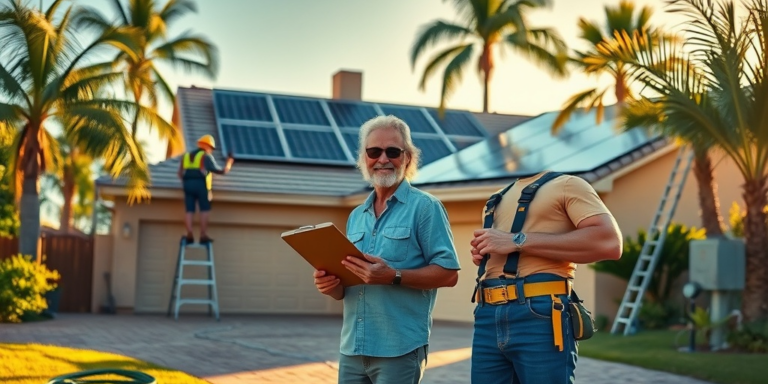
In Florida, the sun shines brighter than anywhere else in the continental U.S., presenting an incredible opportunity for homeowners to harness solar power. But with an estimated growth of solar installations leading to a projected 18% increase in energy costs nationwide by 2025 (Energy.gov), it’s crucial to tread carefully. Many potential solar adopters face a daunting reality: the threat of scams targeting well-intentioned homeowners. Welcome to our guide titled “Warning: Avoid Common Solar Panel Installation Scams in Florida.” This article illuminates vital insights to protect your investment and ensure quality solar panel installation today.
As of late 2023, Florida ranks third in the nation for solar capacity, with over 86,000 solar installations contributing to almost 5% of the state’s energy mix (SEIA.org). However, as soaring energy prices force homeowners and businesses alike to consider cleaner, renewable alternatives, the spotlight unwittingly shines on unscrupulous entities aiming to take advantage of them. With the state’s unique climate challenges, a common pitfall emerges—choosing the wrong installer can lead to poor performance, financial loss, and damage to your property. Thus, steering clear of scams is more imperative than ever.
This post will unravel the most common scams prevalent in Florida’s solar industry and outline proactive strategies to safeguard your investment. We will explore five crucial sections:
- The Rise of Solar Scams: A Cautionary Tale
- Your Proven Checklist for Selecting a Solar Installer
- Debunking Common Myths About Solar Power
- A Focus on Florida Regulations: What You Need to Know
- Best Practices for a Successful Solar Installation
As you navigate this guide, remember that knowledge is power, especially in a market cluttered with mixed messages and opportunistic sales tactics. Read on to unveil how you can become an educated solar consumer in 2025.
The Rise of Solar Scams: A Cautionary Tale
Meet Sarah, a dedicated Florida homeowner living in Tampa, eager to transition to solar energy as a sustainable alternative to rising electricity costs. Sarah diligently did her research and attended seminars, excited to save money and shrink her carbon footprint. Unfortunately, her dream spiraled into a nightmare when she encountered an unscrupulous solar installer who promised the world but delivered little. What followed was a web of deception: hidden fees, subpar installations, and an unresponsive customer service line. Instead of saving money, Sarah found herself grappling with higher bills than before.
Sarah’s experience is far from unique. According to recent data, nearly 1 in 4 Floridians who consider solar energy become victims of scams or subpar installations (SolarReviews.com). The predators lurking in this burgeoning market utilize aggressive marketing tactics, high-pressure sales strategies, and enticing yet misleading guarantees. Recognizing the characteristics of these scams is the first step in protecting yourself.
To help you steer clear of such predicaments, we’ve compiled a checklist outlining fundamental characteristics that signify trustworthy installers versus dubious entities:
- Verify Credentials: Always check for appropriate licensing and insurance.
- Read Reviews: Check sites like the Better Business Bureau for customer experiences.
- Insist on Written Contracts: Avoid verbal agreements that leave you vulnerable.
- Research the Product: Ensure that the panels and equipment have warranties and service options.
- Ask for References: Legitimate businesses will willingly share past client references.
Knowing these red flags and taking action is crucial to ensure you are not victimized as Sarah was. Education is your best defense in these turbulent waters.
Your Proven Checklist for Selecting a Solar Installer
Finding the right solar installer can feel overwhelming, especially amidst a sea of options. However, simplifying this process is possible with a crystal-clear checklist that guides your evaluation.
Step 1: Research Local Installers
Start by looking for solar prospective installers in your locality. Not only are they familiar with the Florida climate, but they are also well-versed in local regulations, rebates, and incentives that could translate into significant savings.
Step 2: Assess Experience and Reputation
Prob the depth of experience. Look for installers with a proven track record in your area. Longevity in the business often correlates with reliability.
Step 3: Obtain Multiple Quotes
Do not settle for the first bid. Obtain at least three proposals to compare costs, services, and product offerings. Red flags include prices significantly lower than competitors.
Step 4: Understand the Warranty Details
Warranties vary widely among solar products and installers. Pay close attention to equipment warranties and what they cover. A quality system should include a minimum 25-year warranty for the panels.
Step 5: Read Customer Reviews
Dive into customer feedback on platforms like SolarReviews or Google Reviews to gauge the experiences of those who have already made the leap to solar.
These actionable steps serve as a shield against deceitful practices. It is your financial investment at stake; don’t shy away from practicing thorough due diligence.
Debunking Common Myths About Solar Power
Solar energy is surrounded by a multitude of common misconceptions that can mislead potential users. Let’s dissect some prevalent myths and equip you with the facts.
Myth #1: Solar Panels Are Too Expensive
Many potential buyers think that the upfront costs of solar installations are insurmountable. However, state incentives and federal rebates can significantly reduce this initial financial burden, making solar more accessible.
Myth #2: Solar Panels Don’t Work in Cloudy Weather
While solar panels do harness sunlight most effectively on clear days, they still capture energy during overcast conditions. In fact, they can produce energy on cloudy days—albeit at reduced efficiency.
Myth #3: You Can’t Install Solar on Older Homes
This is simply untrue. Many older homes can accommodate solar panels with proper assessment and potentially some upgrades. Consulting with a local expert can clarify any doubts before installation.
Myth #4: Solar Panels Require Too Much Maintenance
In reality, solar panels are low-maintenance and only require periodic cleaning and inspections. Most systems come with warranties that cover potential defects for decades.
Myth #5: Solar Is Only for Environmentalists
While solar power does benefit the environment, its true appeal lies in economic advantages, including reduced utility bills and increased property values. With rising energy costs, solar offers a practical approach that attracts various types of homeowners.
Overcoming these myths helps illuminate the path towards solar adoption, empowering homeowners to make informed decisions about their energy future.
A Focus on Florida Regulations: What You Need to Know
As solar technology advances, so do the regulations governing its implementation. Familiarizing yourself with Florida’s solar policies can significantly impact your decision-making.
Florida’s legislative landscape regarding solar energy expands and evolves, which could directly influence your installation experience. Recent changes have streamlined processes such as permitting and interconnection, designed to facilitate homeowners entering the solar market.
Here are fewer essential points to consider:
- Net Metering: Florida’s net metering policy allows homeowners to receive credits for energy produced by their solar systems. Understanding how this policy works can enhance your savings.
- State Tax Exemptions: Homeowners can benefit from property tax exemptions on the added value of solar installations, meaning your property taxes will not increase.
- Incentives and Rebates: Changes in state legislation regularly provide financial incentives to encourage adoption of solar power, making it crucial to stay updated about available options.
Awareness about regulatory shifts is vital for any home or business owner looking to invest in solar energy. Be sure to engage with your installer to understand how state provisions may complement your solar strategy.
Best Practices for a Successful Solar Installation
Having established a solid foundation, let’s delve into the best practices to ensure your solar installation goes off without a hitch.
Tip #1: Don’t skimp on the site assessment
Before installation, a thorough assessment of your property’s solar potential is essential. Factors like roof orientation, shading from trees, and overall square footage all play a pivotal role in maximizing your system’s efficiency.
Tip #2: Choose Quality Equipment
Ignore the temptation to select based solely on price. Invest in quality solar panels, inverters, and batteries to guarantee longevity, efficiency, and performance. Research reputable brands that will merge high performance with durability.
Tip #3: Confirm Installer Qualifications
Beyond licenses, it’s important to choose solar professionals who have certifications from credible bodies such as the North American Board of Certified Energy Practitioners (NABCEP). This confirms they are trained and committed to best practices.
Tip #4: Understand Your Financing Options
Explore various financing methods like solar loans, leases, or power purchase agreements (PPAs) to find what works best for your financial situation. A knowledgeable installer can help you navigate these different options.
Tip #5: Prepare for Post-Installation
Take time to familiarize yourself with your new system’s workings, including understanding your monitoring tools and energy production metrics. Regular follow-ups with your installer can help ensure the optimal performance of your system.
These expert tips serve as guiding principles that can facilitate a smooth transition toward your solar power journey in 2025.
Next Steps for Florida Solar Buyers in 2025
Now that you’re well-informed, it’s time to put this knowledge into action. Here’s your succinct action checklist to navigate the solar buying process effectively:
- Step 1: Audit Your Electric Bill
Review your recent bills to understand your consumption patterns. This will help you determine the system size you’ll need, as well as gauge potential savings. - Step 2: Research Your Local Solar Resources
Use Florida resources to educate yourself on available incentives and rebates. Engage with local solar forums to hear from other homeowners’ experiences. - Step 3: Evaluate Installer Options
With your checklist ready, start reaching out to local solar installers to schedule assessments and get quotes. - Step 4: Review Proposals Meticulously
Ensure that all costs are transparent and detailed in the agreements. Clarify any questionable statements before signing. - Step 5: Schedule the Installation
After diligent preparation, finalize contracts, schedule your installation, and prepare for the changes to come.
Your proactive steps today will yield immense dividends in the years to come. Ensuring the right system and installer will save you headaches and money down the road.
As we conclude, remember that transitioning to solar power can be an enduring asset for you and your family. The urgency of rising energy costs and the looming deadline for lucrative incentives make 2025 an essential year for Florida homeowners considering solar. Knowledge is your best defense against common scams infiltrating our state, and understanding these factors will not only safeguard your financial investment but ensure you enjoy the long-term benefits of solar technology.
Ready to start your solar journey in 2025? Connect with a certified expert at nyelectricandsolar.com today.
Related Articles
More insights about Solar Panel

How Many Solar Panels Do You Need in Upstate New York?

Florida Homeowners: Why Solar Panel Maintenance Is Essential

7 Essential Steps for Solar Panel Installation Success
Ready to Go Solar?
Have questions about solar energy? Our experts are here to help you make the switch to clean, renewable energy.