
Critical Alert: Don’t Fall for Solar Scams to Avoid
Share:
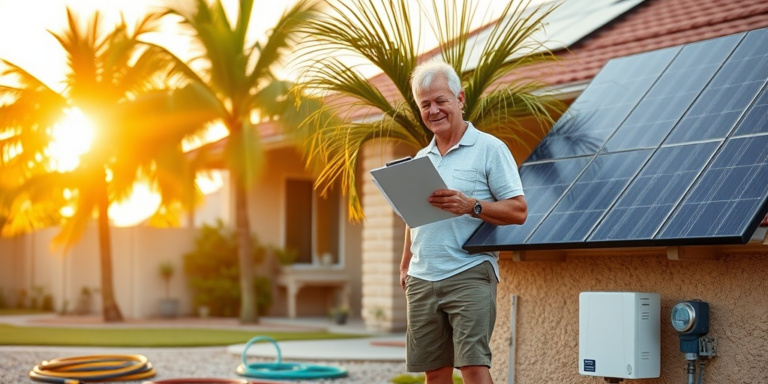
Imagine sipping your morning coffee, gazing outside at your solar panels soaking up the glorious Florida sun. However, what if I told you that many homeowners fall victim to solar scams that ruin this pleasant picture? In 2025, when solar energy adoption continues to rise, the likelihood of scams targeting unsuspecting individuals also swells. As interest spikes, the importance of discerning legitimate solar companies from fraudulent ones cannot be overstated. The reality is startling; quoted installation costs can vary grossly, and an alarming number of unqualified installers are operating within the state. According to a recent survey from the Solar Energy Industries Association, over 60% of Floridians considering solar haven’t conducted due diligence before committing. This article is a **Critical Alert: Don’t Fall for Solar Scams to Avoid**—learn about common pitfalls in solar panel installation and how you can protect your investment today!
Why does this topic matter urgently in 2025? With the current rising energy costs and enhanced government incentives for solar adoption, it’s critical to approach this promising venture with caution. Despite the benefits, potential solar customers are vulnerable to tactics employed by dishonest companies looking to capitalize on the solar boom. In this article, we’ll walk through five essential sections designed to arm you with knowledge and actionable steps against potential fraud:
- The Hidden Dangers of Solar Scams: A Case Study
- Checklist: Five Steps to Ensure a Safe Solar Investment
- Myth-Busting Common Solar Misconceptions
- Florida-Specific Focus: Stats & Policies You Need to Know
- Technical Deep-Dive: Understanding Your Solar Systems
Let’s dive in and equip you with the wisdom necessary to navigate this solar landscape successfully.
The Hidden Dangers of Solar Scams: A Case Study
Meet John and Mary, a Tampa couple passionate about reducing their carbon footprint while maximizing savings on their electric bills. In early 2025, they began exploring solar options and were excited to embrace renewable energy. However, with so many advertisements declaring “no down payments” and “instant savings,” they felt caught in a whirlwind of offers. Their journey turned sour when they encountered a dubious company that promised sleek designs and top-of-the-line technology without asking vital questions about the specifics—like warranty terms, system sizing, or even the effects of weather on panel efficacy. By the end of the installation, they found themselves with subpar equipment, a confusing financing arrangement, and monthly payments that almost matched their previous utility bill.
This alarming story reflects a growing trend that Florida homeowners need to be keenly aware of. In fact, reports indicate that scam complaints have surged by 45% when it comes to solar-related issues in the last year alone (ConsumerReports.org). As the solar market continues to flourish in 2025, the opportunities for scam artists increase alongside it. Here’s a checklist of crucial steps to mitigate risks and ensure you make informed decisions.
Checklist: Five Steps to Ensure a Safe Solar Investment
Before you leap into solar, adhere to this five-step checklist to protect yourself from scams and ensure you’re making a sound investment:
- Step 1: Research Solar Companies – Investigate reviews, check online ratings, and ensure the company has a reputable history in the industry. Resources like the Better Business Bureau or Yelp can be invaluable.
- Step 2: Verify Licensing and Accreditation – Check if the solar company you’re considering has the proper licenses, certifications, and affiliations with trusted associations like the North American Board of Certified Energy Practitioners (NABCEP).
- Step 3: Demand Comprehensive Estimates – Obtain several quotes from different solar companies to ensure you receive competitive and realistic pricing. Be cautious of quotes that seem too good to be true.
- Step 4: Look for Transparency in Contracts – Carefully read through any agreements. Assess whether they detail what equipment will be installed, warranty information, and cancellation policies.
- Step 5: Seek Independent Advice – Consider consulting with an energy consultant who can provide neutral perspectives without sales pressure.
By following these steps, Florida homeowners can safeguard their investments and significantly reduce the risk of falling prey to scams. The importance of approaching this transition with diligence cannot be overstated. As the solar revolution expands, equipping yourself with knowledge is as critical as the investment itself.
Myth-Busting Common Solar Misconceptions
A common source of confusion lies in prevalent misconceptions about solar energy and its implementation. Here are few myths debunked:
- Myth #1: Solar Panels Only Work in Sunny Weather – Contrary to popular belief, solar panels can capture a significant amount of sunlight even on cloudy days. Annual performance can still be reliable, providing energy savings even when the Florida sky isn’t clear.
- Myth #2: All Solar Companies Provide the Same Technology – Not all installations are created equal. Choosing a reputable supplier ensures you benefit from the latest innovations in solar technology such as microinverters or energy storage solutions.
- Myth #3: You Can’t Benefit from Solar Energy if You Live in an HOA – Homeowners in communities governed by HOAs may still install solar panels, provided they adhere to any guidelines the HOA has. Several Florida laws protect homeowners’ rights regarding solar installations.
- Myth #4: Solar Is Too Expensive and Not Worth It – There are numerous financial incentives available for solar installations, including federal tax credits, state rebates, and net metering. These can make solar a financially viable option for many homeowners.
- Myth #5: Once Installed, Solar Panels Require a Lot of Maintenance – To the contrary, solar panels generally require minimal maintenance. Regular cleaning to remove debris and an annual inspection to ensure everything functions correctly is often all that’s needed.
These myths cloud the judgment of homeowners eager to shift toward clean energy. Additionally, Florida-specific laws are increasingly becoming friendlier to solar technology, promoting adoption among residents. It’s vital to distinguish fact from fiction in order to seize the benefits of solar power without falling for misleading claims.
Florida-Specific Focus: Stats & Policies You Need to Know
In Florida, the landscape of solar energy continues to evolve rapidly. The state’s solar capacity has increased remarkably by 337% over the past five years (SEIA.org). As we approach 2025, here are a few critical statistics and policies that solar buyers need to consider:
- Florida Ranks 3rd in Solar Capacity – With over 5,300 megawatts installed, Florida now stands as a major competitor in the national solar market.
- Net Metering Policies – Florida offers favorable net metering policies that compensate homeowners for excess energy produced, allowing them to substantially reduce their electric bills.
- Incentives for Tax Benefits – Residents can benefit from a federal solar tax credit that offers a deduction of 26% off the total installation cost on their federal tax returns.
Understanding these elements is crucial for Florida homeowners aiming to make informed solar energy decisions. Awareness of both incentives and state regulations will ensure the transition to solar power is fruitful. Furthermore, a well-informed buyer can identify and avoid scams that exploit misinformation.
Technical Deep-Dive: Understanding Your Solar Systems
As the owner of a solar system, it’s crucial to understand the technical components involved. Starting with solar panels, they are typically composed of photovoltaic (PV) cells that convert sunlight into electricity. Here’s a quick breakdown of the technical components:
- Solar Panels – The heart of your system. Make sure to choose a reliable manufacturer that meets industry standards.
- Inverters – Convert the DC electricity produced by solar panels into AC electricity, which is used in homes. Consider the type—string inverters, microinverters, or power optimizers.
- Battery Storage – Home battery systems can store excess energy for use during non-sunny hours, providing additional savings and energy independence.
- Monitoring Systems – Keep track of energy production and usage to ensure everything is operating efficiently. A reputable installer should provide monitoring solutions.
Additionally, homeowners need to be acutely aware of how billing works to navigate potential traps laid by scammers. Understanding how net metering affects energy credits can help you identify misleading commercial pitches promising unrealistic returns on investment. Be informed on power purchase agreements (PPAs) and leasing alternatives to ensure that you ultimately benefit economically.
Next Steps for Florida Solar Buyers in 2025
Now that we’ve examined pivotal aspects of solar energy, what are the immediate actions you should take? Follow this concise next steps checklist to facilitate a smooth transition to solar energy:
- Step 1: Audit Your Electric Bill – Look for high usage patterns and determine if solar is a wise investment for your specifics.
- Step 2: Research State Incentives – Investigate local, state, and federal incentives available to you as a Florida homeowner.
- Step 3: Contact Reputable Installers – Reach out to multiple certified companies to obtain quotes and assess their offerings comprehensively.
- Step 4: Verify Contracts – Prior to signing anything, consult with a solar advisor to review agreements and clarify any terms.
- Step 5: Plan for Maintenance – Schedule routine inspections, and stay informed about the condition and performance of your system.
Completing these steps will not only ease your transition but also enhance your understanding of solar investments, enabling you to navigate the field with confidence. For more detailed information and to start your journey, visit nyelectricandsolar.com.
As we conclude this critical alert on solar scams, it’s essential to remember the pivotal moments in John and Mary’s journey. Remaining educated and cautious in your solar decisions can lead to a successful transition toward clean energy. Solar power can represent not just a money-saving measure, but a commitment to sustainability for you, your family, and the environment.
In 2025, as solar technology advances and energy costs escalate, the opportunity is ripe for those prepared. Stand confidently against the potential pitfalls that can arise and turn your solar dreams into a trustworthy reality. Don’t leave your financial future up to chance; be informed, be pro-active, and make the best choices.
Ready to start your solar journey in 2025? Connect with a certified expert at nyelectricandsolar.com today.
Related Articles
More insights about Solar Scams

Warning: Don’t Overlook These Solar Scams to Avoid

Don’t Miss This Critical Alert About Solar Scams

Don’t Ignore These Critical Solar Scams to Avoid
Ready to Go Solar?
Have questions about solar energy? Our experts are here to help you make the switch to clean, renewable energy.