
Warning: Delaying Your Solar Panel Installation Could Cost You More
Share:
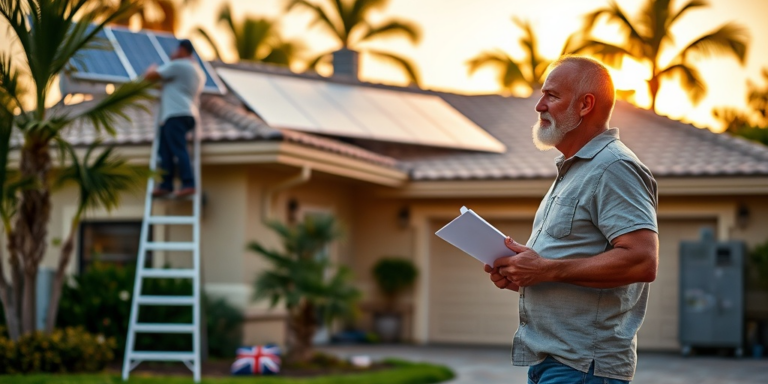
Did you know that more than 90% of Floridians could benefit from going solar, yet many still hesitate, risking financial loss and missed opportunities? In fact, the total solar capacity in Florida has more than tripled since 2015, showcasing the increasing demand for renewable energy (SEIA.org). If you’re a homeowner or a commercial property owner in Florida contemplating your energy options, the urgency has never been more critical. This article, titled Warning: Delaying Your Solar Panel Installation Could Cost You More, aims to illuminate the profound impacts that delaying your solar panel installation can have on your utility bill savings and how you can avoid costly mistakes. With the unpredictability of rising energy costs, changing solar incentives, and the looming possibility of grid instability, understanding your options is paramount in 2025. In this era of sustainability, acting sooner rather than later can maximize your savings and energy independence.
Here’s what we’ll cover:
- Section 1: A real-life case study illustrating the costs of delaying.
- Section 2: An actionable checklist of steps to expedite your solar installation.
- Section 3: Five common myths that hold homeowners back from going solar.
- Section 4: A look at how Florida-specific policies impact your solar choices.
- Section 5: An action plan to ensure you’re ready for installation.
Understanding the consequences of delaying your solar decision is crucial. Let’s dive in.
Delaying Your Solar Installation: A Florida Homeowner’s Case Study
Meet Jennifer, a Florida homeowner who thought delaying her solar panel installation might save her money. Initially excited about the possibility of cutting her electric bills, Jennifer delayed her purchase for a year, hoping to save for a larger down payment. Little did she know that this year would come with a staggering increase in energy prices. In fact, utility rates in Florida have risen by 25% over the last five years (Energy.gov). By putting off her solar installation, Jennifer not only missed out on lower initial costs but also on significant savings over time.
Here’s what happened:
- Initial Pricing: When Jennifer first received her solar quote, her installation cost was $18,000. By the time she was ready to buy, costs had surged to $22,000, an increase of 22%.
- Rising Utility Costs: Over the same year, her monthly electric bill increased from $150 to $187, another reminder that waiting can cost more.
- Incentives: In 2025, the federal solar investment tax credit decreases to 22%, which means a lower cashback on her installation compared to the potential 26% she could have received had she acted sooner (SEIA.org).
This year of delay compounded expenses not just in installation, but also in opportunity cost. Every month that passed without her solar system was a month of lost savings. She could have been enjoying energy independence and substantially reduced bills. The lesson is clear: delaying your solar panel installation could indeed cost you more.
To avoid such pitfalls, here’s a checklist for prospective solar buyers:
- Step 1: Research and understand the current solar incentives in Florida.
- Step 2: Get multiple solar quotes to compare costs and financing options.
- Step 3: Assess your energy needs and determine your optimal solar system size.
- Step 4: Investigate local installers and check customer reviews.
- Step 5: Schedule a solar evaluation to confirm your installation timeline.
As Jennifer’s case illustrates, every day spent waiting can affect your financial outcome. By taking prompt action, you can lock in substantial savings and stability for years to come. Now, let’s address some common myths that keep homeowners hesitant.
Myths That Delay Solar Installation Decisions
The path to solar energy is paved with misinformation, often causing delays that could be easily avoided. Here are the most common myths that may be holding you back:
Myth #1: Solar Panels Are Too Expensive
Many homeowners believe that solar panels are a luxury item, only affordable for the wealthy. In reality, the average cost of solar has fallen by over 70% since 2010, making it more accessible than ever (NREL.gov). With numerous financing options available, it’s entirely feasible to install solar without breaking the bank.
Myth #2: Solar Only Works in Sunny States
While Florida is undoubtedly one of the sunniest states, solar technology is efficient even in less-than-ideal conditions. Many homeowners find their systems productive even on cloudy days. The key lies in optimized design and installation.
Myth #3: You Need to Buy Your System Outright
Many people underestimate the variety of financing options available, which include solar leases and Power Purchase Agreements (PPAs). These allow you to reduce upfront costs dramatically and start saving on electricity as soon as your system is operational.
Myth #4: Solar Panel Maintenance Is Expensive
In reality, solar panels require minimal maintenance. With a little cleaning and regular inspections, they can last upwards of 25 years without any significant issues, making them a low-maintenance asset (SolarReviews.com).
Myth #5: I Won’t Save Much If I Don’t Use Much Electricity
Even low-energy households can benefit significantly from solar. Offset your electric bill even for minimal usage, and sell back any excess energy through net metering to further increase savings.
Understanding these myths can change your perspective on solar energy and lead to timely decision-making. The next step is to delve into specifics of Florida’s energy landscape.
The Florida Solar Landscape: Policy and Opportunities
Florida’s energy policy is evolving, offering myriad opportunities for homeowners to transition to solar efficiently. Here’s what you should know:
- Net Metering: In Florida, the net metering law ensures that homeowners benefit from selling back excess energy, effectively reducing their electric bills further.
- Solar Rebates: Many regions offer additional rebates and incentives for solar installations, further reducing overall costs (DSIREUSA.org).
- State Tax Credits: Homeowners can benefit from a state tax credit that may be applied to solar installations as part of Florida’s commitment to renewable energy, making this a very strategic time to invest.
The importance of aligning your solar investment with local policy can’t be overstated. By taking advantage of these benefits, not only do you cut costs upfront, but you also ensure that your investment pays dividends in the long term.
As industry forecasts suggest, solar energy adoption is predicted to triple by 2025 in Florida (SEIA.org). The question remains: are you ready to be part of that transition? Understanding these policies is crucial for effective planning. As we proceed, let’s discuss best practices to ensure a smooth installation process.
5 Expert Solar Installation Tips for 2025
When it comes to making your solar installation as seamless and beneficial as possible, consider these five expert tips:
Tip #1: Don’t Skimp on Panel Placement
The location of your solar panels can significantly impact their output. Work with a qualified installer to identify the optimal angle and positioning, ensuring maximum sunlight exposure.
Tip #2: Invest in Quality Equipment
It may be tempting to choose cheaper solar equipment, but quality often results in greater savings in the long-term. Research brands and choose high-efficiency solar panels and inverters that will stand the test of time.
Tip #3: Stay Informed About Incentives
With solar incentives changing frequently, it’s vital to stay updated. Consult with experts who can provide the latest information so you don’t miss out on potential savings.
Tip #4: Evaluate Your Home’s Energy Needs
A proper assessment of your energy needs will help you determine the right system size. An over-sized system can lead to unnecessary upfront costs, while an under-sized system may not meet your needs.
Tip #5: Plan for Maintenance
While solar panels require minimal maintenance, scheduling regular checks ensures they are functioning optimally. Consider enrolling in a service plan with your installation company.
Implementing these best practices can lead to a smoother transition into solar energy. Let’s now consider a hypothetical homeowner’s journey through the installation process.
A Florida Homeowner’s Solar Journey
Imagine Alex, a diligent Florida homeowner who decided to go solar in early 2025. Here’s how his journey unfolds:
- Research Phase: Alex spends time researching different solar options, learning about Florida’s incentives, and setting a budget that includes financing.
- Consultation: He reaches out to reputable solar companies, getting multiple quotes and checking reviews before proceeding.
- Installation: Once Alex selects his installer, they schedule a timely installation, and he’s diligent about sensor placement for optimal output.
- Monitoring and Adjustment: After setup, Alex monitors his system both through the app provided by his installer and through regular discussions to ensure everything is working well.
- Long-Term Success: Within a few months, Alex’s savings begin adding up, and he enjoys both reduced bills as well as the satisfaction of supporting clean energy.
This journey serves as an empowering reminder that investing in solar can lead to impactful benefits while supporting environmental sustainability. Now, to wrap things up, let’s lay out actionable steps you can take today.
Next Steps for Florida Solar Buyers in 2025
Taking the plunge into solar energy is a major decision, but the rewards are well worth it. Consider this checklist as you prepare for installation:
- Step 1: Audit Your Electric Bill. Understand your current energy usage and costs to determine your potential savings.
- Step 2: Research Local Incentives. Visit both federal and state resources to stay updated on available rebates.
- Step 3: Engage with Solar Specialists. Contact certified experts who can provide tailored advice and quotes.
- Step 4: Finalize Your System Design. Work closely with your chosen installer to customize a system that suits your space and needs.
- Step 5: Plan for the Long Term. Schedule maintenance checks and stay actively involved in your solar energy journey.
Your solar journey has the potential to transform your energy consumption while benefiting the environment, but timing is crucial. As we approach 2025, now is the moment to act.
In conclusion, the narrative woven through Jennifer’s case, the myths dispelled, and the opportunities presented all underscore a stark reality: delaying your solar panel installation could cost you more. The urgency to secure your financial future, embrace sustainability, and enjoy energy independence has never been clearer. The time to act is now, and the benefits are incredible.
Feeling ready to start your solar journey in 2025? Connect with a certified expert at nyelectricandsolar.com today.
Related Articles
More insights about Solar Panel

How Many Solar Panels Do You Need in Upstate New York?

Florida Homeowners: Why Solar Panel Maintenance Is Essential

7 Essential Steps for Solar Panel Installation Success
Ready to Go Solar?
Have questions about solar energy? Our experts are here to help you make the switch to clean, renewable energy.