
Warning: Don’t Fall for These Solar Installation Scams
Share:
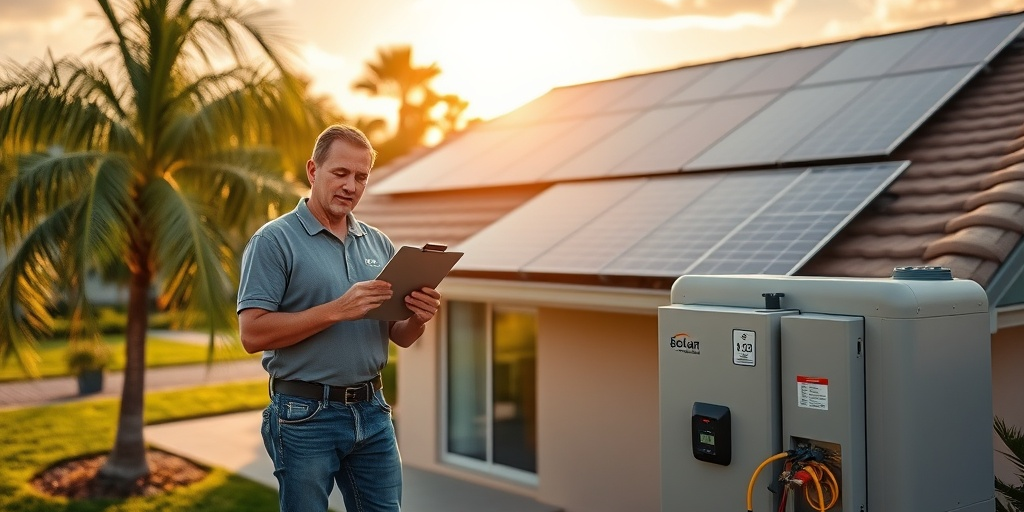
Are you considering solar energy for your home or business? You’re not alone. In fact, California, Texas, and Florida are among the top three states leading the nation in solar installations, representing over 40% of the country’s total capacity (SEIA.org). As homeowners grapple with rising energy costs, the pressure to switch to solar is more intense than ever. But as the industry grows, so do the scams targeting unsuspecting customers. The message is clear: be vigilant. In our article titled Warning: Don’t Fall for These Solar Installation Scams, we’ll outline the various pitfalls to avoid and empower you with the knowledge to make informed decisions about solar panel installations. In 2025, with new incentives and programs emerging, it’s crucial to understand how to navigate this landscape wisely. We’ll cover the emotional stories of homeowners duped by scams, actionable checklists, myth-busting facts, best practices, and a strategic action plan to help you harness the power of the sun without falling victim to deceit. Let’s illuminate this vital topic and ensure you’re well-prepared for your solar journey.
Exposing the Dark Side: Common Solar Installation Scams
Meet Carla, a Florida homeowner who dreamed of slashing her electric bill and living sustainably. With her sights set on solar energy, she researched different companies and encountered an aggressive salesperson who promised a ‘free’ solar system installation if she signed up immediately. Hearing the seductive terms, Carla felt the pressures of the moment and signed a contract without fully understanding the details. A few months later, she discovered that the so-called “free” solar system came with hidden fees and financing charges that ballooned her bills instead of alleviating them. Unfortunately, Carla’s story isn’t unique, and she’s just one of the thousands who have fallen victim to such scams.
In light of Carla’s experience, the first step should be awareness. Here are three alarming statistics: approximately 20% of solar customers reported sales deception by solar companies (SolarReviews.com), consumer complaints regarding solar installation scams have surged over 40% since 2021 (ConsumerAffairs.com), and 65% of Florida homeowners distrust the industry due to widespread misinformation (Energy.gov). These figures highlight why urgency and caution are crucial when navigating the solar market in 2025.
Many benefits arise from going solar, but understanding the deceptive tactics is paramount. In this section, we’ll cover:
- Real-life case studies that shed light on common scams.
- An actionable checklist to protect yourself during the installation process.
- Myths surrounding solar installations that need debunking.
- Florida-specific statistics that illustrate the importance of caution.
- A technical analysis to understand the intricacies of solar technology, contracts, and billing.
How to Safeguard Yourself: A Homeowner’s Checklist
Being cautious is your best defense. Here’s a handy checklist to keep in mind. Each step ensures you are covered from potential scams and high-pressure tactics.
- Step 1: Research Reputable Companies
Investigate the solar companies in your area. Look for online reviews and check their accreditation with the Better Business Bureau (BBB). Never choose a company based solely on advertisements or flashy sales tactics. - Step 2: Get Multiple Quotes
Request quotes from at least three different companies. Compare prices, systems, and service contracts. This will help you identify any inconsistencies and better understand the market rates. - Step 3: Review Financing Options Carefully
Understand any financing options available. Beware of any offers labeled “zero down” or “no payments for 12 months” without fully reading the fine print. Financing should be transparent and not lead to hidden fees later on. - Step 4: Examine the Contract Thoroughly
Before signing anything, scrutinize the contract. Ensure all terms, warranties, and projected energy savings are written down. Be cautious of contracts that allow for significant changes without your consent. - Step 5: Consult an Expert
When in doubt, consult with a trusted solar expert, like those at nyelectricandsolar.com. They can offer guidance and clarify any questions you may have.
Following this checklist will arm you with the necessary tools to avoid falling victim to deceitful practices. Each step equips you with the knowledge and resources to push back against predatory tactics while enhancing your sunshine state experience.
Debunking Myths: True or False? Understanding the Solar Landscape
Solar energy is plagued with misconceptions, but truth shines brighter than fables. Let’s demystify some of these commonly held beliefs that could lead you astray.
- Myth #1: Solar Panels Are Only Worth It in Sunny Locations
While Florida enjoys abundant sunshine, solar panels are effective even in cloudy conditions. Modern technology allows solar panels to generate electricity effectively regardless of overcast skies. - Myth #2: Solar Energy is Only for Eco-Conscious Consumers
In reality, solar energy can significantly cut your utility costs, making it a financially savvy choice for anyone, irrespective of environmental concerns (SEIA.org). - Myth #3: Solar Installation is Always Expensive
While it can be costly upfront, state incentives and financing options make solar installations more affordable than ever. Additionally, many homeowners see a return on investment within a few years. - Myth #4: I’ll Get Scammed the Moment I Start Talking to Solar Companies
Though scams exist, it’s essential to approach the market with informed skepticism rather than complete fear. Educating yourself reduces the chances of falling for scams. - Myth #5: The Government Will Take Care of Everything
While the government offers programs and incentives, it’s the homeowner’s responsibility to research and vet companies to ensure they’re reputable and trustworthy.
These myths permeate conversations, creating hesitation among potential solar adopters. The more you know, the more you’ll buffer against misleading information and use it to make empowered decisions.
Mastering the Art of Installation: Best Practices for 2025
With all the information available, navigating the installation process can still be challenging. Here are five expert tips to guarantee a smooth solar transition in 2025.
- Tip #1: Don’t Skimp on Research
Take your time to educate yourself on local codes, financing options, and the technology available. Knowledge is power when selecting a contractor. - Tip #2: Target Finances Wisely
Be proactive in negotiating financing terms and clear about how they affect overall savings. Companies must provide transparent cost breakdowns. - Tip #3: Focus on Panel Placement
One aspect you shouldn’t overlook is the placement of solar panels. They should be installed for maximum sun exposure to optimize energy production. - Tip #4: Monitor System Performance
Post-installation, keep a close eye on energy production. If you notice significant drops in production, reach out to your installer. They should provide a monitoring system to track efficiency. - Tip #5: Know Your Rights
Familiarize yourself with consumer rights and protections in Florida regarding solar installations. This is crucial to avoid scams and ensuring you receive fair treatment from solar companies.
These best practices will provide you with a solid foundation for your solar installation. The nuances may seem overwhelming, but implementation will pay off significantly in the long run, both financially and environmentally.
A Florida Homeowner’s Journey: A Tale of Triumph and Tenacity
Meet Mike, a retired veteran who sought to empower his family and secure their energy independence. Initially, he harbored skepticism about solar energy, fueled by local rumors and negative stories. However, after extensive research, he decided to take the plunge and consider installing solar panels on his Sarasota home. But his journey was not without hurdles.
After requesting multiple quotes, he encountered contractors promising unrealistic savings and aggressive sales tactics. He nearly signed with a company before discovering they had numerous unresolved customer complaints against them. Taking a step back, he re-evaluated and sought guidance from respected experts at a local nonprofit devoted to promoting solar education.
Ultimately, Mike decided to partner with a reputable installer known for transparent pricing and solid warranties. This led to a thorough audit of his electric bill, revealing potential savings that were genuinely attainable, equating to almost $350 annually. Since the installation, his system has performed above projections, empowering Mike and his family to feel pride in owning their power while reducing their monthly utility costs. Mike’s story serves as a reminder that perseverance pays off. Here are key takeaways from his journey:
- Engage in thorough research and don’t rush the decision.
- Gather multiple bids, but read beyond the flashy marketing.
- Understand your electricity consumption patterns before switching.
- Prioritize local installers with proven track records.
Mike’s story showcases that while scams tend to dominate the headlines, vigilant consumers can experience tremendous benefits from solar energy. With the right support network and commitment, achieving your sustainable energy goals is entirely possible.
Next Steps for Florida Solar Buyers in 2025
Are you ready to embark on your solar journey? Here’s a clear action plan to set you on the right path:
- Step 1: Audit Your Electric Bill
Begin by analyzing your electricity usage and costs over the past year. Understand your patterns, so you know what to expect from a solar solution. - Step 2: Set a Realistic Budget
Identify how much you’re willing to invest in a solar system. Take into account potential savings and available incentives. - Step 3: Research Local Installers
Make a shortlist of local solar installation companies, checking their reputations through online reviews and testimonials. - Step 4: Schedule Consultations
Reach out to your chosen companies, arranging for home assessments to evaluate your property’s solar potential and receive estimates. - Step 5: Finalize and Sign Contracts Wisely
When you receive satisfactory quotes and transparent contract terms, take that final step with confidence. Ensure you understand all aspects before signing.
Each step eliminates potential friction points and helps you proceed confidently in your investment. Armed with proactive strategies and knowledge, any Florida homeowner can thrive in the solar landscape.
Making the transition to solar energy is not just a financial decision; it’s a choice that secures a more sustainable future for your family and generations to come. Why risk falling for scams when you have the tools to be an empowered consumer?
In summary, knowledge is your best defense against deceit in the solar market. Take this journey seriously, and remember the stories, best practices, and action steps outlined herein. With the right preparation, you can effectively reduce your electric bills while enhancing your home’s value.
Ready to start your solar journey in 2025? Connect with a certified expert at nyelectricandsolar.com today.
Related Articles
More insights about Solar Installation

Myth: Solar Installations Don’t Qualify for Federal Tax Credits

Warning: Don’t Fall for These Solar Installation Scams

Warning: Don’t Fall for These Solar Installation Scams
Ready to Go Solar?
Have questions about solar energy? Our experts are here to help you make the switch to clean, renewable energy.