
Warning: Don’t Fall for These Solar Scams to Avoid
Share:
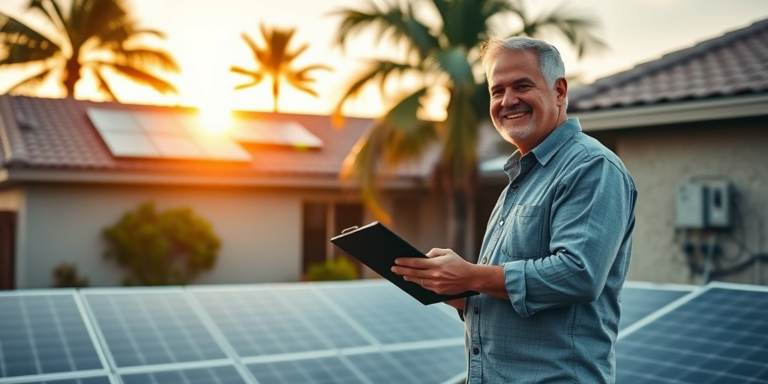
As Florida homeowners consider the transition to solar energy, awareness of potential scams becomes increasingly crucial. In fact, nearly 80% of consumers are unaware of common solar scams in the market today (Energy.gov). This lack of knowledge can lead to costly mistakes that undermine the financial benefits of going solar. In 2025, the urgency heightened: electricity rates in Florida are projected to increase by 20% over the next five years, making it more vital than ever to make informed choices (SEIA.org). That’s why we present this essential guide titled Warning: Don’t Fall for These Solar Scams to Avoid—a resource designed to empower and protect you as you embark on your solar journey.
In this blog, we will delve into the pressing issue of solar scams that plague unsuspecting homeowners and property owners across Florida. With new solar incentives offering opportunities to save, it’s crucial to understand the landscape in which these shady operators operate. In this educational piece, we will explore five key areas: the emotional and financial impact of falling for solar scams, actionable steps for safeguarding your investment, the truth behind common myths, Florida-specific scams to watch for, and essential technical insights that underline the credibility of reputable solar installations.
As we navigate through these sections together, our aim is clear: to transform skepticism into clarity and inspire you to take empowered steps toward energy independence. By understanding the challenges ahead, you can protect not only your wallet but also your peace of mind. Let’s dive in and ensure that your foray into solar energy in 2025 is informed, empowered, and above all, scam-free.
Beware of the Scams: A Deep Dive into the Solar Landscape
Picture this: Meet Sarah, a Florida homeowner who excitedly decided to go solar last summer. With rising energy costs looming, she was eager to embrace renewable energy. However, she fell prey to a smooth-talking salesman from a dubious company. He promised lofty savings and free installation but required an upfront payment of $10,000. After struggling with poor installation and unqualified service, Sarah realized far too late that she had been scammed. Unfortunately, her story is not uncommon. In fact, according to recent data, up to 30% of solar customers report experiencing deceptive practices (SolarReviews.com).
Here’s a checklist of critical steps that can help you avoid falling for scams and ensure you receive a top-tier solar system:
- Research the Company. Before engaging with any solar company, thoroughly research customer reviews, credentials, and any past controversies to understand their reputation.
- Get Multiple Quotes. Never settle for the first estimate. Obtain multiple quotes from different companies to compare pricing, services, and warranties.
- Check for Certifications. Make sure your solar provider holds the necessary licenses and certifications, such as those from the North American Board of Certified Energy Practitioners (NABCEP).
- Read the Fine Print. Study contract details for any hidden fees or clauses that may limit your recourse if issues arise.
- Ask for References. Reliable companies should be willing to provide references from previous clients who can speak to their experience.
Myth #1: All Solar Panels Are the Same. One common misconception is that all solar panels offer equal performance. In reality, various types of panels differ significantly in efficiency and durability, affecting your long-term savings (NREL.gov).
Myth #2: Solar Companies Only Want Your Money. While it may seem that some companies prioritize quick sales, many reputable providers genuinely want to help homeowners save on energy costs through sustainable options.
Myth #3: I Can Install Solar Panels Without Professional Help. DIY solar installation can lead to safety issues or non-compliance with local codes, putting your investment at risk.
In Florida, policies are always evolving, and it’s essential to stay updated on how these changes impact solar energy. For instance, Florida Power & Light offers incentives for energy-efficient upgrades, which can include solar installations. Additionally, the state has enacted regulations that protect consumers against deceptive marketing practices in the solar arena, though it’s still important to stay vigilant (DSIREUSA.org).
Now let’s transition to a technical deep dive examining essential panels, batteries, inverters, and billing nuances to equip yourself with knowledge as you embark on your solar journey.
The Tools of Your Trade: Understanding Solar Technology and Billing
Solar energy technology has advanced significantly, paralleled by the innovations in billing structures and payment options available in Florida. Understanding these elements is crucial, as they can help you maximize your investment while avoiding potential pitfalls.
- Solar Panels: There are primarily three types of solar panels available—monocrystalline, polycrystalline, and thin-film. Each comes with its pros and cons, affecting efficiency, cost, and aesthetic appeal.
- Batteries: Battery storage options provide an essential safety net for homeowners while ensuring you can utilize solar energy even during power outages.
- Inverters: An inverter converts the direct current (DC) produced by solar panels into alternating current (AC) used in most households. Quality inverters are critical for system performance.
- Net Metering: This system allows homeowners to receive credit for excess energy produced, significantly impacting your overall energy costs (Energy.gov). It’s essential, however, to fully understand the terms and conditions of net metering in your area.
- Billing Structures: Familiarize yourself with various billing structures—fixed, time-of-use, or tiered—which determine how charges for energy consumption and solar credits are applied.
The technological landscape around solar energy doesn’t stop evolving, and it’s vital to keep yourself informed. We recommend you regularly consult reputable sources or professionals to glean insights for your specific situation. If you need help along the way, don’t hesitate to reach out to nyelectricandsolar.com.
5 Expert Solar Installation Tips for 2025
As you embark on your solar journey, consider these five expert tips designed to streamline the installation process and optimize your savings:
- Choosing the Right Installer: Take your time selecting a qualified installer with a track record of delivering high-quality service. A trusted partner not only ensures a smooth installation but also provides ongoing support.
- Proper Orientation and Placement: Ensure that your solar panels are installed at the optimal angle and orientation to maximize sunlight exposure throughout the day.
- Regular Maintenance: Develop a maintenance plan to regularly clean panels and inspect systems, preventing potential issues that could affect performance.
- Understand Your Warranty: Know what your system warranty covers. This understanding can save you from unexpected repair costs as the system ages.
- Stay Engaged: Learn about solar technology advances and policy changes in Florida. Staying engaged will help you capitalize on available savings and remain vigilant against scams.
Utilizing these tips can ensure that your investment reaps the benefits you expect while avoiding costly mistakes. Remember, knowledge is power, so equip yourself for a successful transition!
A Day in the Life: A Homeowner’s Solar Journey
Let’s take a closer look at John, a Florida homeowner who recently decided to embrace solar energy. After experiencing rising electricity bills, he knew he needed to make a change. His journey took him through the initial excitement of potential solar savings, tainted by skepticism from friends who warned him about possible scams.
- John conducted thorough research, exploring customer reviews and reports about local solar companies.
- After collecting three quotes, he compared offers and asked questions regarding warranties and payment plans.
- He chose a certified panel system with a reputable company and scheduled the installation.
- Following installation, he established a maintenance plan to keep his panels operating efficiently, scheduling inspections for any potential issues.
Six months later, John found himself reflecting on his decision. He enjoyed the comforts of modern solar energy, with reduced electricity bills and the peace of mind that came from having a dependable system in place. Most importantly, he felt proud to contribute to sustainability. Stories like John’s are tangible proof that with the right knowledge and awareness, the move to solar energy can be a transformative experience.
Next Steps for Florida Solar Buyers in 2025
If you’re ready to navigate the world of solar energy, here’s a checklist of actionable steps you need to follow:
- Audit Your Electric Bill: Review past statements to understand energy usage patterns. Calculate potential savings based on estimates provided in your quotes.
- Consult with Experts: Reach out to professionals at nyelectricandsolar.com for tailored advice on your solar strategy.
- Explore Financing Options: Investigate financing opportunities that suit your financial situation, whether through loans, leases, or power purchase agreements (PPAs).
- Be Monitoring Ready: Plan how you will monitor energy production and consumption to maximize efficiency and address potential issues quickly.
- Join a Community Network: Connect with local groups or forums about solar energy to share insights and experiences with fellow Florida homeowners.
By following these steps, you’ll be well on your way toward owning your power in 2025 while avoiding pitfalls lurking in the solar transition process.
In summary, embarking on a solar panel journey involves critical consideration of potential pitfalls associated with solar scams. The urgency and importance of understanding these risks are paramount as Florida homeowners face rising energy costs and new opportunities in the solar market. By embracing the actionable steps, recognizing the myths surrounding solar technology, and learning from others’ experiences, you can navigate this landscape with confidence. Keep in mind that as you step towards solar energy, every choice counts, shaping not just your finances but also your environmental impact.
Ready to start your solar journey in 2025? Connect with a certified expert at nyelectricandsolar.com today.
Related Articles
More insights about Solar Scams

Warning: Don’t Overlook These Solar Scams to Avoid

Don’t Miss This Critical Alert About Solar Scams

Don’t Ignore These Critical Solar Scams to Avoid
Ready to Go Solar?
Have questions about solar energy? Our experts are here to help you make the switch to clean, renewable energy.