
Warning: Don’t Fall for These Solar Scams to Avoid
Share:
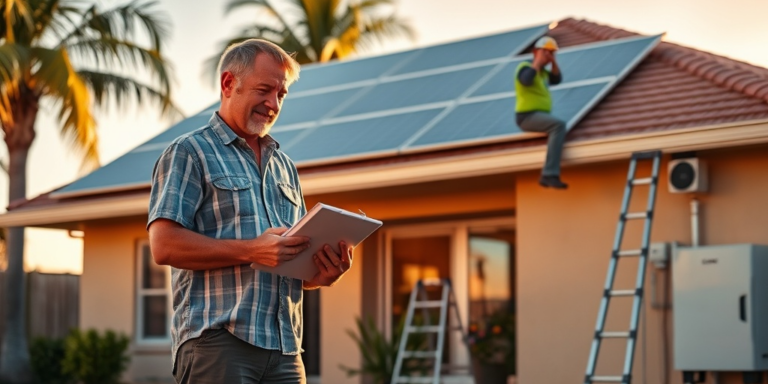
In a country that is experiencing skyrocketing energy costs, it’s more important than ever to tread carefully when exploring solar energy. Did you know that in Florida, the solar industry is projected to grow by over 13% in the upcoming year alone (SEIA.org)? With such rapid growth comes opportunity but also the risk of deception. Florida homeowners are increasingly faced with enticing promises from solar companies, but beneath some offers lies the potential for scammers to thrive. This is why we’re discussing the imperative topic: Warning: Don’t Fall for These Solar Scams to Avoid. Last year alone, consumers reported losses of more than $300 million due to solar scams (Federal Trade Commission). The importance of educating yourself about these risks cannot be overstated, especially in 2025 when incentives and rebates will be more competitive than ever.
As the solar landscape changes, staying informed is your best defense. In this comprehensive guide, we’ll dive deep into the various types of scams targeting the unsuspecting, arm you with a checklist to protect your hard-earned money, dispel myths surrounding solar installation, and share actionable best practices for navigating this space intelligently. Ahead, we will explore:
- The most common scams in solar energy today
- A checklist to keep you safe from fraudulent practices
- Common myths that mislead consumers
- The local landscape and regulations specific to Florida
- Your step-by-step action plan for purchasing solar energy safely
Understanding the Solar Scams that Target Florida Homeowners
As the solar market expands, so do the number of scams associated with it. Consider the story of Maria, a retired nurse in Miami who felt the pressure to transition her home’s energy source amid rising bills. After receiving a slick brochure promising massive savings, Maria eagerly signed a contract without doing proper research. Months later, she found herself questioning the high installation fees and confusing terms that came with financing. This left her not only frustrated but also with an underperforming solar panel system, plunging her deeper into financial trouble.
To prevent you from experiencing a similar fate, here’s a checklist to ensure you remain vigilant:
- Do your research: Always check for licensed contractors in Florida. The state requires providers to have specific licenses and insurance.
- Get multiple quotes: Don’t settle for the first offer. Compare prices and services; remember, if it sounds too good to be true, it probably is.
- Understand the contracts: Read the fine print thoroughly. Pay attention to the terms regarding performance guarantees, maintenance, and warranties.
- Seek out reviews: Inspect company services on platforms like SolarReviews and Yelp to find genuine testimonials.
- Verify their claims: Check if their promises align with the National Renewable Energy Laboratory’s data on solar efficiency (NREL.gov).
By anchoring your research with these fundamental steps, you’ll be well-equipped to sidestep the misunderstandings and misuse surrounding solar installations. Not only are people like Maria falling for myths, but many don’t realize that they are often tied to larger trends in the solar sphere.
Dispel the Myths: What You Need to Know
When it comes to solar energy, information is power. Unfortunately, misinformation continues to confuse and mislead many potential solar users. Let’s break down five prevalent myths and set the record straight:
- Myth #1: Solar Panels Only Work in Direct Sunlight: While sunlight is essential, modern solar panels can still generate electricity during cloudy conditions (Energy.gov).
- Myth #2: Solar Energy is Too Expensive: With the continuous drop in prices—over 70% since 2009—you might be surprised how affordable solar can now be (SEIA.org).
- Myth #3: Solar Panels Require Too Much Maintenance: In fact, most solar panels require minimal upkeep besides occasional cleaning.
- Myth #4: You Can’t Get Solar in Florida If You Rent: Many companies now offer solar solutions for renters, allowing them to share in the benefits without direct ownership.
- Myth #5: All Solar Panels are the Same: Different types of panels vary significantly in efficiency, warranty, lifespan, and performance in low-light conditions.
Being empowered with factual information allows Florida homeowners to avoid potential scams while maximizing their investment in solar energy. Knowledgeable consumers are essential for the growth of the solar sector, improving not just their bottom line but also the industry’s credibility.
Solar Power Best Practices for Florida in 2025
When planning for solar installation, understanding best practices is crucial. As a Florida homeowner, navigating the landscape can be simple if armed with the right advice. Here are five best practices to ensure a smooth sailing solar journey:
- Don’t skimp on panel placement: Proper orientation and tilt can make a substantial difference in generating solar power. A south-facing angle usually yields optimal energy production.
- Evaluate energy needs: Conduct an energy audit before installation to understand your consumption patterns. This data will help in determining the necessary system size for your home.
- Consider battery storage: With Florida’s unpredictable storms, investing in battery systems could provide peace of mind and save you during outages (SEIA.org).
- Stay updated on incentives: Florida offers various tax credits and rebates, including the Federal Investment Tax Credit (ITC), now at 26% in 2025.
- Work with seasoned professionals: Ensure you collaborate with licensed local contractors who understand the Florida solar landscape and can provide you with honest assessments.
Having these practices in your toolkit will not only enhance your understanding but also ensure that your solar investment pays dividends into the future.
A Day in the Life of a Solar-Powered Florida Home Owner
Let’s take a stroll through the fictional yet plausible journey of Jack and Lisa, a couple residing in Fort Lauderdale, who decided to switch to solar energy. Like many, they initially weighed the pros and cons carefully, attending local informational seminars and thoroughly researching companies online.
- Research Phase: They began by exploring local options and soon stumbled upon Florida Electric & Solar, praising customer service and professionalism.
- Consultation: A consultant conducted a thorough needs assessment, offering an energy audit and proposals that aligned closely with their consumption.
- Installation Day: On installation day, the team arrived promptly, equipped to transition the home to solar energy without interrupting their daily lives.
- Post-Installation Follow-Up: Days after installation, Jack and Lisa received their monitoring system, allowing them to track their energy production in real-time.
- Tangible Savings: Months after going live with their solar panels, utility bills dropped dramatically, leading to a more sustainable lifestyle.
Jack and Lisa’s journey is more than just conversion; it serves as a reminder of protecting investments through research, careful selection, and understanding the complete process involved in going solar. Many Florida families are successfully living this transition, thanks to trusted resources and reliable information.
Next Steps for Florida Solar Buyers in 2025
The excitement of going solar should never come with anxiety for consumers. Ensuring a successful transition in 2025 means staying one step ahead. Here’s a clear action plan:
- Step 1: Audit Your Electric Bill: Start by understanding your usage patterns. Analyze past bills to estimate your energy needs.
- Step 2: Research Potential Providers: Compile a list of reputable solar companies and analyze reviews, looking for their history of service.
- Step 3: Obtain and Compare Multiple Quotes: As they say, “you have to spend money to make money.” Finding the right provider is essential, so seek multiple opinions.
- Step 4: Review Contracts Meticulously: Let no clause go unread. Focus on details such as warranties, maintenance needs, and installation timelines.
- Step 5: Schedule Regular Check-Ups: Maintenance is key for longevity. Even after installation, ensure routine assessments are in place for efficiency.
The journey of going solar is often filled with complexities, yet by following these steps and partnering with a trustworthy provider, you can confidently navigate your way to energy independence. For more information and support tailored to your specific needs, visit nyelectricandsolar.com.
Throughout this comprehensive exploration of the solar landscape, we’ve recapped critical strategies for avoiding scams, dispelled myths to correct misconceptions, and detailed realistic narratives to encourage informed solar decisions. Remember, solar energy is more than just a home upgrade; it’s a pathway to significant savings, environmental benefits, and energy independence. The urgency of understanding solar scams is more pertinent now than ever, so don’t delay in seeking quality resources and guidance. Take charge of your energy future—your family deserves the best.
Ready to start your solar journey in 2025? Connect with a certified expert at nyelectricandsolar.com today.
Related Articles
More insights about Solar Scams

Warning: Don’t Overlook These Solar Scams to Avoid

Don’t Miss This Critical Alert About Solar Scams

Don’t Ignore These Critical Solar Scams to Avoid
Ready to Go Solar?
Have questions about solar energy? Our experts are here to help you make the switch to clean, renewable energy.