
Warning: Don’t Ignore These Critical Solar Panel Installation Risks
Share:
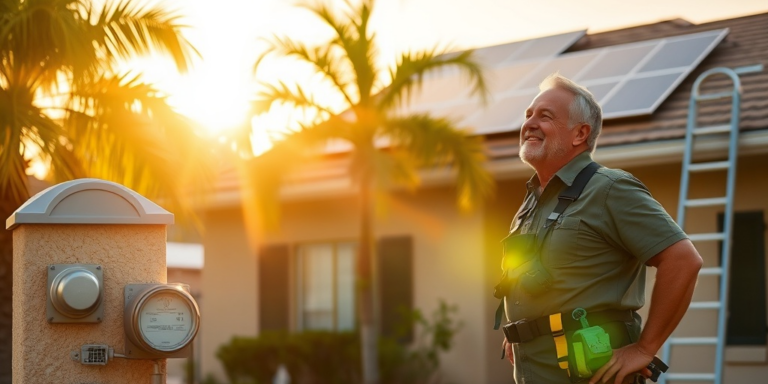
As of 2025, more and more Florida homeowners are considering solar energy—not just as an option for reduced utility bills but as a necessary strategy amidst rising energy costs and environmental changes. With the solar market booming, you might think that installation is a straightforward process. But as the article title warns, Warning: Don’t Ignore These Critical Solar Panel Installation Risks, the reality is more complex. Ignoring these critical risks can cost you not just money but your peace of mind and investment. Did you know that solar energy capacity in Florida has increased by approximately 29% since last year alone (Energy.gov)? Or that the state ranks fourth in the nation for solar energy production, with an installed capacity exceeding 6,000 megawatts (SEIA.org)? In 2025, with new solar incentives and tax credits becoming available, understanding the risks associated with solar panel installations has never been more urgent.
In this comprehensive guide, we’ll discuss the five critical sections you’ll need to navigate successfully through solar energy installation. We will cover practical insights on typical pitfalls to avoid, a checklist for a successful installation, myths that can set you back, best practices tailored for Florida, and an action plan to ensure you make informed decisions every step of the way. These insights will empower you to turn skepticism into confidence as you consider going solar in your home or business.
Critical Risks of Solar Panel Installation: What Every Floridian Must Know
Lisa and Mark are a young couple living in Sarasota, Florida, who decided to go solar in 2025 after hearing all about the energy-saving benefits. They had dreams of significantly reducing their electric bills and contributing positively to the environment. However, they didn’t realize how many risks they missed during the installation phase, which ultimately led to unforeseen costs and installation headaches.
- Step 1: Research Your Installer – Investigate credentials and customer reviews. A reputable installer will have demonstrated experience and solid testimonials.
- Step 2: Understand Your Energy Needs – Assess your current energy consumption. Tools like energy audits can provide insights, ensuring you invest in a system that truly meets your needs.
- Step 3: Quality Over Cost – While it may be tempting to choose the cheapest option, always opt for high-quality materials and skilled labor. Skimping can lead to more expenses down the road.
- Step 4: Explore Local Regulations – Florida has strict codes related to solar installations. Ensure your installer is well-versed in local zoning and permitting requirements.
- Step 5: Look Into Warranties – Review and understand all warranties. This will protect your investment against defects and malfunctions.
Lisa and Mark discovered too late that not all installers were equal. They encountered a variety of headaches, from paperwork that was incomplete for local permits to the installer not following through with the promised timeline. What they thought would be a smooth transition turned into a stressful ordeal that could have been avoided with more thorough due diligence.
It’s crucial to bust the following common myths that often lead homeowners to make poor decisions:
- Myth #1: All Solar Installations Are the Same – A cheap installation may save you upfront costs, but it can lead to long-term issues, diminishing your savings and effectiveness.
- Myth #2: Solar Panels Require Excessive Maintenance – Most modern solar panels need little maintenance beyond periodic cleaning, but proper installation is key to long-term performance.
- Myth #3: You Can Install Solar Panels Anytime – Seasonal weather in Florida affects installation logistics; optimal conditions are vital for a successful setup.
- Myth #4: You Don’t Need Battery Storage – In the event of a grid failure, having battery storage ensures you maintain access to energy.
- Myth #5: Solar Panel Warranty Guarantees Everything – Warranties often cover limited aspects; understanding what’s included is critical for financial planning.
Florida residents often overlook crucial aspects that could impact their solar investment significantly. About 29% of Florida’s energy generation comes from solar, primarily offsetting residential and business electricity needs (SEIA.org). Understanding these risks will prepare you to navigate the complexities of solar energy systems.
As you delve deeper into your solar journey, it’s vital to focus on quality components. A solar panel installation involves several components—solar panels, inverters, batteries, and mounting hardware. Installers often use various models and brands, each with distinct efficacy and durability. High-efficiency panels may maximize energy production while serving different wattage needs (Energy.gov). Always inquire about the technical specifications and the expected performance rates from your installer to secure an efficient system tailored for your energy consumption. Nothing is more disheartening than investing in solar energy only to discover later that your panels are underperforming or malfunctioning due to inferior tech.
Unpacking Solar Installation Myths: What You Must Know
It is essential to address misconceptions that can hinder your understanding of the solar landscape. Many homeowners across Florida are misinformed, leading to decisions that impact their financial future and energy independence.
- Myth #1: Solar Will Not Work in Florida’s Humidity – In fact, solar panels often perform better in warmer conditions. Humidity won’t hamper the efficiency of high-quality systems.
- Myth #2: You Have to Buy Your System Upfront – Leasing options or financing can spread payments, making it easier to manage costs while still realizing savings on monthly bills.
- Myth #3: Solar is Only for New Homes – Existing older homes can also install solar, provided they meet structural requirements.
By debunking these myths, you increase your chances of making informed decisions that align with your energy goals. Consider local policies like net metering that allows Florida solar users to sell back energy to the grid profoundly impacting your return on investment (SEIA.org). Understanding these points gives you a strategic advantage over potential missteps that could derail your solar setup.
Now, let’s explore best practices that will set you on the path to a hassle-free installation.
5 Expert Solar Installation Tips for 2025
As you prepare for a solar installation, consider these expert recommendations. Your experience can vastly improve if you engage actively with your installer, take charge of the process, and remain informed.
- Tip #1: Choose an Experienced Installer – Look for certifications, customer reviews, and long-standing reputations in the local area to ensure you’re getting quality service.
- Tip #2: Investigate Your Roof – Make sure your roof is solar-ready. Any necessary repairs should be completed prior to installation to ensure structural integrity.
- Tip #3: Optimize Panel Placement – Work with your installer to find the most effective orientation and angle, maximizing sun exposure throughout the day.
- Tip #4: Understand Incentives – Keep abreast of local and federal incentives that can substantially offset your installation costs—but always confirm current eligibility before starting.
- Tip #5: Review Long-Term Horizon – Consider how long you plan to stay at your property and whether that aligns with a solar investment timeframe.
In 2025, the landscape for obtaining solar power is changing, so stay connected with industry trends and updates. Organizations like the National Renewable Energy Laboratory (NREL) provide extensive research and tools to help you gain insights into your solar viability based on changing energy markets and policies (NREL.gov).
Your Solar Journey: A Story of Transformation
Meet John, a retiree living in Miami who faced rising energy costs month after month. John’s electric bills were quickly approaching unsustainable levels. During the summer months, he financed a solar installation, expecting a 20% reduction in his bills. However, when researching, he encountered obstacles—an underground wiring issue, confusion regarding permits, and doubts about battery storage. Each hurdle nearly discouraged him from pursuing solar altogether. Yet, through perseverance and consultations with reliable experts, John turned a struggling solar journey into a successful energy-saving venture.
- Step 1: Explore Local Utilities – Engage with your utility company for updates about incentives available to solar installers.
- Step 2: Review Financial Opportunities – Be diligent when examining financing options that will not hinder your cash flow.
- Step 3: Chronological Planning – Sequence your project phases to mitigate potential delays and ensure proper oversight.
John’s successful installation taught him valuable lessons: 1) always adapt to local specifications, 2) leverage solar loan programs available, and 3) recognize the importance of using licensed solar technicians. Thus, he not only gained energy independence but also enjoyed peace of mind knowing that he was investing wisely in his future.
Next Steps for Florida Solar Buyers in 2025
By now, you should feel armed with knowledge about the critical risks associated with solar installations. Navigating this landscape involves strategic planning and insightful approaches. Here’s your actionable checklist to get you started:
- Step 1: Audit Your Electric Bill – Assess your electricity usage to understand your needs. This essential insight ensures your solar system can effectively offset your usage.
- Step 2: Research and Contact Installers – Engage local experienced solar energy providers who can offer tailored solutions suitable for your needs.
- Step 3: Review Solar Financing Options – Explore leasing, loans, or power purchase agreements (PPAs) to find the most favorable financing arrangement for your situation.
- Step 4: Schedule a Site Assessment – Schedule with a certified professional for an in-depth assessment of your property and energy needs, establishing an accurate estimate.
- Step 5: Finalize Contracts and Permits – Ensure all paperwork reflects your agreement terms, including warranties and service commitments before proceeding with installation.
With a clearer understanding of the landscape, your journey into solar energy can begin with confidence. Engage actively with your installer and ensure that your expectations are met. You are planting the seeds for both environmental contribution and financial freedom.
In conclusion, going solar is not just a trend but a solid investment for the future of your home, family, and planet. In 2025, understanding the risks associated with installation remains critical for long-term success. Recap the knowledge you’ve gained through this article, continually handpick reliable resources, and adopt best practices for your solar journey. Your decision, now more than ever, has the potential to unlock a brighter, sustainable future.
Are you ready to start your solar journey in 2025? Connect with a certified expert at nyelectricandsolar.com today.
Related Articles
More insights about Solar Panel

How Many Solar Panels Do You Need in Upstate New York?

Florida Homeowners: Why Solar Panel Maintenance Is Essential

7 Essential Steps for Solar Panel Installation Success
Ready to Go Solar?
Have questions about solar energy? Our experts are here to help you make the switch to clean, renewable energy.