
Warning: Don’t Overlook These Critical Solar Panel Installation Risks
Share:
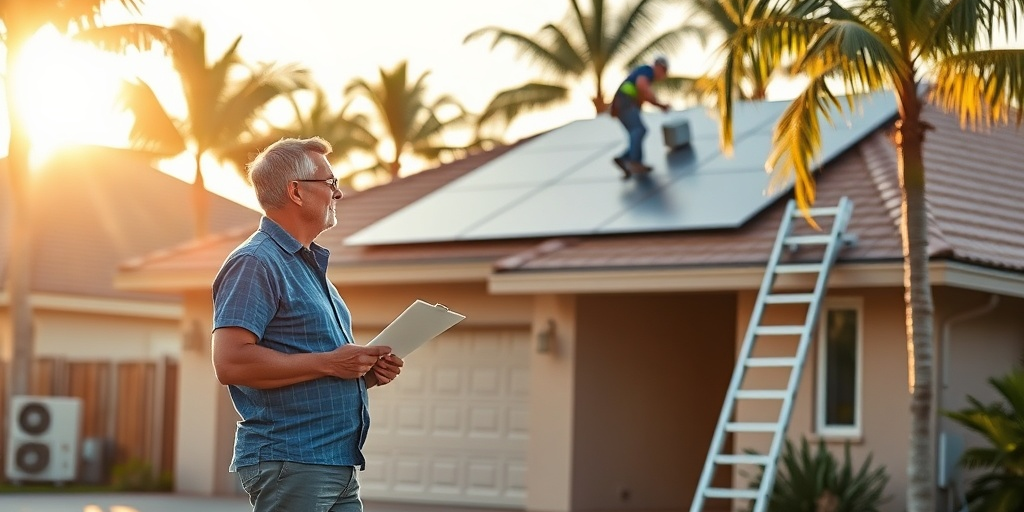
In an era where energy independence has never been more critical, homeowners across Florida are taking the leap into solar energy. In 2022, the Sunshine State was ranked second in the nation for installed solar capacity, a clear testament to the shift toward renewable energy. Surging electricity prices and an ever-unstable power grid have left many Floridians seeking alternatives to cut their utility bills. But before you install your solar panels, it’s imperative to pay attention to potential pitfalls. This brings us to our topic: Warning: Don’t Overlook These Critical Solar Panel Installation Risks. Did you know that nearly 30% of homeowners face costly issues due to improper installation (Energy.gov)? It’s a startling statistic that underscores the importance of educating yourself before embarking on this journey. As we move into 2025, ongoing incentives and technological innovations are only amplifying the urgency of making informed decisions about solar energy installations. This article will guide you through five critical sections: the real risks involved in solar installations, a comprehensive checklist for success, common myths debunked, localized focus points for Floridians, and an in-depth technical dive into what to expect. Get ready to absorb all the information you need!
Understand the Real Risks of Solar Panel Installation
Solar panels can be a great investment, but they come with inherent risks that many homeowners might not consider. To illustrate this, let’s examine the story of Julie, a homeowner from Orlando. Julie was excited about going solar, motivated by a growing desire to reduce her carbon footprint and accelerate her savings. After conducting minimal research, she hired the first contractor she found, who quoted the lowest price. Within a year, her system was underperforming, and she was hit with unexpected repair costs that overshadowed any initial savings she had anticipated.
Here are some potential risks associated with solar panel installation:
- Choose the Wrong Contractor: Julie’s experience serves as a warning: thousands of dollars can vanish in a short time if you don’t vet your contractor appropriately. Research their credentials, customer reviews, and years of experience in the solar industry. You deserve a company that’s reputable.
- Neglecting Local Permits: Florida has specific regulations governing solar installations that can affect your project. Failing to obtain the right permits can result in legal penalties and forced removal of your solar panels (SolarReviews.com).
- Ignoring the Roof Condition: If your roof isn’t in optimal shape, installing solar panels can exacerbate existing problems and lead to leaking or other structural issues.
- Misplacing the Panels: Solar panel placement affects performance. A poorly positioned array can yield just 70-80% of its potential output, ignoring the layout’s orientation, tilt, and surrounding obstructions.
- Underestimating Maintenance Needs: Some homeowners think solar panels are a “set it and forget it” investment. In reality, they require periodic maintenance to ensure longevity and optimal performance.
In summary, there are many nuances to consider. Although solar energy is an excellent way to reduce your financial costs and contribute to a sustainable future, issues related to improper installation can lead to devastating outcomes. As you weigh your options in 2025, remember that the right preparation will serve you well.
5 Steps to Ensure a Successful Installation
With knowledge comes power, and by following a strategic checklist, you can mitigate many of the risks outlined above. Here’s a targeted guide to help you on your solar journey.
- Step 1: Audit Your Electric Bill: Start by analyzing your monthly electricity usage to determine the size of the solar system you’ll need. Many Florida homeowners have realized savings of up to 50% after switching to solar (EnergySage.com).
- Step 2: Research Solar Companies: Take your time to vet potential contractors. Look for licenses, reviews, warranties, and credentials. A little effort now can save you a lot of money later.
- Step 3: Consult Multiple Quotes: Don’t settle for the first quote you receive. Collect at least three quotes to compare pricing, system options, and the contractor’s experience.
- Step 4: Understand Financing Options: Florida has several financing programs and incentives. Make sure you understand these beforehand to maximize your financial benefits—this could include tax credits or rebates.
- Step 5: Confirm Permits and Paperwork: Ensure that the contractor obtains all necessary permits and adheres to local regulations. Taking shortcuts in this area can result in significant penalties.
As you progress, remember that thorough research and careful planning can lead to a successful solar investment. By systematically controlling the process and knowing what to look for, you can avoid the pitfalls that many homeowners encounter.
Debunking Common Solar Myths
In the world of solar energy, misinformation can cloud judgment. Let’s take a closer look at some widespread myths that might hinder your decision-making process.
- Myth #1: Solar Panels Are Too Expensive: While upfront costs might seem high, remember that solar panels increase your home’s value and have long-term financial benefits, including reduced energy bills.
- Myth #2: Solar Energy Is Only Effective in Sunny Areas: Although Florida is known as the Sunshine State, solar panels can generate electricity even in cloudy conditions. Performance diminishes but does not cease.
- Myth #3: You Won’t Save Money Until Years Later: Many Floridians start saving on their electric bills immediately after installation. Depending on the size of your system, it could pay for itself in as little as 5-7 years (SEIA.org).
- Myth #4: Maintenance Is Too Difficult: Most solar panels require very little maintenance. Simply keeping them clean and ensuring no debris obstructs them will suffice.
- Myth #5: All Solar Panels Are Equal: Different brands and models can offer varying efficiencies and lifespans. Educate yourself and consult professionals to determine the best options for your home.
Breaking down these myths can help you make informed decisions. Each fact-based rebuttal aims to empower Florida homeowners to transition to solar confidently, unencumbered by misconceptions.
Florida-Specific Considerations for Solar Installations
Solar energy systems have unique characteristics specific to Florida’s climate and regulations. As a resident, it is essential to consider these localized factors.
Florida homeowners can benefit from:
- Net Metering: This program credits you for the excess energy your solar panels generate, allowing you to significantly offset future electricity bills.
- Local Incentives: Several Florida programs can provide rebates and tax incentives for switching to solar, reducing the overall initial cost.
- Hurricane-Resistant Installations: Given Florida’s susceptibility to extreme weather, ensuring that your solar array is installed with storm resistance in mind is vital.
Studies show that Florida’s solar market is projected to grow tremendously, with anticipation of a 25% increase in solar installations by 2025 (National Renewable Energy Laboratory). For Florida homeowners, making informed choices will dictate the success and sustainability of their investments.
Preparing Your Next Steps for Solar in 2025
As you contemplate the benefits of solar power for your home, it’s essential to understand the necessary action steps. Here’s a simple action plan to help you manage your solar installation effectively.
- Step 1: Evaluate your home’s energy use: Document how much energy your household consumes monthly to determine the size of the solar system you’ll need.
- Step 2: Identify your budget: Decide how much you can afford upfront or consider financing options. Florida has several low-interest loans available.
- Step 3: Research contractors: Seek multiple quotes, and don’t shy away from asking homeowners in your area about their experiences. Remember, the best contractor is one who can answer your questions thoroughly.
- Step 4: Consult with your chosen contractor: Determine your system’s optimal placement and ensure you understand how the installation process will unfold.
- Step 5: Sign contracts and schedule installation: After vetting everything, make your decision and prepare for installation day.
Following these steps will ease the process and minimize the risks we’ve discussed throughout this article. Make your solar journey a successful one by taking informed steps!
Conclusion: Your Solar Journey Awaits
Transitioning to solar energy in Florida is an exciting yet complex journey filled with many opportunities and potential pitfalls. We’ve explored the various risks of installation along with actionable steps and common myths that may stand in your way. As energy prices continue to rise and the urgency for renewable energy solutions grows, every thoughtful decision you make can pave the way for a successful solar experience. As we march into 2025, remember that every moment spent educating yourself and planning strategically is an investment in your future. Knowledge is power—especially in the world of solar energy.
Are you ready to start your solar journey in 2025? Connect with a certified expert at nyelectricandsolar.com today.
Related Articles
More insights about Solar Panel

Florida Homeowners: Why Solar Panel Maintenance Is Essential

7 Essential Steps for Solar Panel Installation Success

Expert Insights: Key Factors Influencing Solar Panel Lifespan
Ready to Go Solar?
Have questions about solar energy? Our experts are here to help you make the switch to clean, renewable energy.