
Warning: Ignoring Solar Scams Could Cost You Thousands
Share:
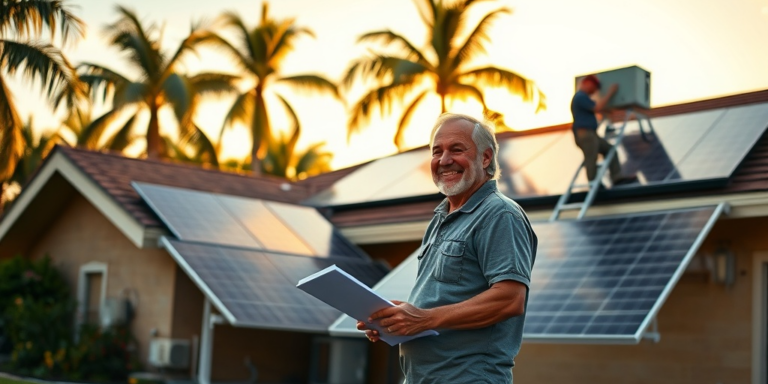
Imagine this: You’ve done your homework, researched the myriad benefits of solar energy, and even figured out how solar panels can cut down your electric bills significantly. You’re ready to take the plunge into going solar, but there’s a worrying shadow lurking just beyond your decision—the possibility of falling victim to solar scams that could cost you thousands. The stark reality is that as interest in solar energy skyrockets, so too do the number of fraudsters eager to exploit unsuspecting Florida homeowners and commercial property owners. In fact, according to industry reports, complaints of solar scams in Florida soared by over 30% in 2023 alone (Florida Consumer Affairs). This leads us straight to our topic: “Warning: Ignoring Solar Scams Could Cost You Thousands.” In the rapidly evolving solar landscape of 2025, becoming informed about how to identify common scams and protect your investment is more vital than ever.
With Florida’s energy costs on the rise and substantial solar incentives on the horizon, potentially reaching up to $10,000 in rebates for eligible property owners (SEIA.org), it’s imperative to stay ahead of schemers looking to capitalize on your eagerness to go green. If you want to benefit from solar energy—insulating yourself from high electric bills and creating a sustainable future for your family—you need to understand the clear risks associated with the industry. In this comprehensive guide, we’ll explore the ins and outs of solar scams, provide actionable checklists for safeguarding your savings, debunk common myths, break down the complexities of the solar installation process, and ultimately present a step-by-step action plan to ensure your solar journey is rewarding and scam-free.
Join me on this journey as we unravel the truth behind solar scams, understand how to navigate the landscape safely, and pave the way for a brighter, more sustainable future. Here’s what you can expect in the following sections:
- Insightful case studies revealing real-world solar scams and effective protections.
- A comprehensive checklist to help you vet solar companies and installations.
- Myth-busting misinformation that could cloud your solar decisions.
- A detailed look at Florida-specific solar policies and data.
- An actionable plan to launch your solar journey with confidence.
The Dark Side of Solar: A Cautionary Tale
Meet Jennifer, a Florida homeowner who, like many of you, spent hours planning her transition to solar energy. Living in Orlando, she was excited by the potential savings on her electric bill and reduced carbon footprint. After attending a seemingly legitimate solar seminar promising outstanding deals, she was persuaded to sign a contract with a barely known company at a low price. What followed was a nightmare of hidden fees, poor installation quality, and lack of follow-up. Jennifer was left feeling scammed when her system underperformed, and her utility bills were still sky-high.
This is not just Jennifer’s story; it echoes like a common refrain throughout Florida. In 2023, Floridians reported an alarming increase in scams surrounding solar energy installations, signaling the need for vigilance (Florida Attorney General). In fact, a staggering 55% of complaints involved deceptive sales practices that misled consumers about costs and energy savings (SolarComplaints.org). When you strip it down, the essence of Jennifer’s misadventure boils down to lack of informed decision-making. Thankfully, her story doesn’t have to become yours.
To help avoid scam pitfalls like those Jennifer experienced, we compiled a powerful checklist. Adhering to these actionable steps will guide you through your solar investment journey and safeguard your financial interests.
Checklist for Choosing a Reputable Solar Provider
- Step 1: Research the Company’s Reputation
- Step 2: Verify Licensing and Insurance
- Step 3: Request Detailed Proposals
- Step 4: Look for Local Expertise
- Step 5: Get Multiple Quotes
Utilize platforms like Better Business Bureau (BBB) and Yelp to read reviews and gauge customer satisfaction. Don’t just focus on ratings; delve into detailed reviews to spot any recurring issues.
Ensure the company holds a valid license for solar installation in Florida and check if they carry adequate insurance to protect you from potential liabilities during installation.
A reputable provider should provide a detailed proposal with transparent pricing. Look for itemized costs, including equipment, installation, permits, warranties, and potential savings.
Choose a company that has local expertise and understands Florida’s unique solar landscape and regulations. Local companies often feature more personalized service.
Don’t settle for the first proposal. Obtain at least three quotes to compare pricing and services. This practice helps ensure you make an informed choice, rather than rushing into a decision.
By following these steps, you can significantly diminish the likelihood of falling prey to unscrupulous solar companies. As you continue on this journey, let’s address the myths you might encounter that could misguide you further.
Myths That Cloud Your Solar Decision
When embarking on your solar energy adventure, you might hear many claims, but not all of them are accurate. Let’s clarify some common myths:
- Myth #1: Solar Panels Don’t Work on Cloudy Days.
- Myth #2: Going Solar Will Ruin Your Roof.
- Myth #3: I Can’t Afford Solar Energy Upfront.
- Myth #4: Solar is Only a Good Investment for Homeowners.
- Myth #5: All Solar Panels Are the Same.
This is one of the most persistent misconceptions. In reality, solar panels can still generate energy on cloudy days—though at a reduced capacity. Florida’s sunny climate ensures ample opportunities for solar production, regardless of occasional overcast days.
When installed correctly, solar panels do not damage roofs. Reputable installers take extra precautions to ensure proper sealing and ventilation, and many offer warranties that cover any potential roof damage.
While upfront costs can feel daunting, numerous financial incentives, rebates, and financing options can substantially lower your investment barrier. In Florida alone, homeowners can receive significant savings through federal tax credits and state incentives (SEIA.org).
This assumption is misleading. Commercial property owners in Florida are also positioned to benefit from solar installations through substantial savings on utility bills, lower property taxes, and improved property value.
Not all panels are created equal. Efficiency and longevity vary by manufacturer, so careful research and product comparisons are essential for optimal performance.
Being aware of these myths can save you from costly decisions and ensure that you remain informed and confident in your choices. Now that we’ve addressed the myths, it’s time to take an in-depth look at Florida’s unique solar landscape.
Spotlight on Florida: Opportunities & Regulations
Florida has emerged as a solar energy powerhouse, but navigating its complex web of policies and incentives can be daunting. Here, we will explore some vital information every Florida homeowner and commercial property owner should know:
- Florida Net Metering Policies: Understanding your rights as a solar user is essential. In Florida, net metering allows homeowners to receive credit on their utility bills for excess energy generated and sent back to the grid.
- Property Tax Exemptions: In many cases, solar installations in Florida are exempt from property taxes, making them a sound investment for homeowners. This exemption can save you thousands over the lifespan of your system.
- State Incentives: Florida offers several financial incentives to encourage solar adoption. Research local and state programs that may provide rebates or grants for residential and commercial solar projects.
- Federal Solar Tax Credit: The federal tax credit allows you to deduct 30% of the cost of your solar system from your federal taxes, significantly reducing your solar investment in 2025 (Energy.gov).
- Environmental and Economic Benefits: Beyond cost savings, going solar contributes positively to the environment and stimulates local job growth in Florida’s burgeoning solar industry.
Utilizing this information gives you a significant advantage in making informed decisions and sidestepping scams. Now, let’s channel this knowledge into actionable strategies for your solar purchase.
5 Expert Solar Installation Tips for 2025
With the groundwork laid, you’re now in a position to make effective and strategic decisions about your solar energy investment. Here are five best practices to enhance your solar installation journey:
- Optimize Your Location: Don’t skimp on panel placement. The orientation of solar panels dramatically impacts their efficiency. Gather assessments from experienced solar consultants to determine the best positioning based on your home’s unique geographical features.
- Check for Local Rebates: Before signing anything, explore potential local rebates and incentives. Some counties or cities in Florida may offer additional savings that can make solar more affordable right now.
- Monitor System Performance: After installation, keep an eye on your solar production. Many systems come equipped with monitoring software that allows you to track energy generation and ensures everything is functioning efficiently.
- Understand Maintenance Needs: While solar panels are low maintenance, you should understand potential cleaning requirements and checkups. Frequent rain and debris can affect panel efficiency, so have a maintenance plan in place.
- Educate Yourself: Knowledge is power, especially in the evolving energy landscape. Stay informed about new technologies, regulations, and market trends that could impact your investment.
Implementing these expert tips not only safeguards your solar investment but enhances your overall control over your energy costs in the future. To wrap up this guide, let’s explore some potential paths your solar journey could take using a real-world example.
A Florida Homeowner’s Solar Experience
Consider the journey of Tom and Lisa, a couple living in Sarasota who decided to embrace solar energy in early 2025. Eager to offset their increasing utility bills, they started by following their checklist—researching reputable companies, verifying licenses, and obtaining multiple quotes.
After careful deliberation, they settled on a local company that showcased strong customer reviews and offered a lifetime warranty on their materials. Their decision stemmed from not just attractive pricing but trust in the company’s local roots and commitment to customer service.
Post-installation, they quickly noticed significant reductions in their electric bills, with their system producing more energy than they ever anticipated. Their initial investment turned into substantial savings, allowing them to invest in home improvements and family vacations instead of high utility bills. Tom and Lisa now not only enjoy energy independence but have also become advocates for solar within their community, sharing their journey and encouraging others to research before making decisions.
This real-world example underlines the transformative potential of going solar—but it also teaches a crucial lesson: not all journeys lead to blissful outcomes. It’s imperative to equip yourself with knowledge and support to enjoy the benefits of solar energy safely.
Next Steps for Florida Solar Buyers in 2025
Ready to start your solar journey? Here’s an actionable checklist to guide you through the process:
- Step 1: Audit Your Electric Bill
- Step 2: Research Funding Options
- Step 3: Schedule Consultations
- Step 4: Verify Installers’ Credentials
- Step 5: Finalize Your Choice
Before you buy, review your current electric usage and costs. Understanding your energy consumption will assist solar experts in tailoring the best system for your needs.
Evaluate various financing options and incentives that could reduce upfront costs. From local grants to federal tax credits, there’s a wealth of financial support available for Florida homeowners.
Arrange meetings with at least three solar providers. Ask targeted questions about warranties, costs, installation timelines, and service post-installation.
Ensure each company is licensed, insured, and has a history of positive client experiences. A reliable installer reduces risks significantly.
Once you are satisfied with your research and consultations, proceed with confidence. Ensure all your agreements are documented to avoid future misunderstandings.
By following these steps, you will navigate your way through the solar landscape in a well-informed manner, minimizing threats from scammers while maximizing your investment.
In conclusion, the decision to go solar in Florida is not just a step towards greener living; it’s an imperative financial move that can save you thousands over time. However, as we’ve discussed, vigilance is key. The rise in scams associated with solar energy underscores the importance of being informed and proactive. From knowing how to choose the right provider to debunking pervasive myths, every bit of knowledge adds another layer of protection to your investment. You deserve the best in sustainable energy solutions and the assurance of a secure transaction. Remember, your journey to solar energy doesn’t have to be fraught with anxiety or uncertainty. With the right tools and guidance, you can turn your investment into savings, energy independence, and a brighter future for your family.
Ready to start your solar journey in 2025? Connect with a certified expert at nyelectricandsolar.com today.
Related Articles
More insights about Solar Scams

Warning: Don’t Overlook These Solar Scams to Avoid

Don’t Miss This Critical Alert About Solar Scams

Don’t Ignore These Critical Solar Scams to Avoid
Ready to Go Solar?
Have questions about solar energy? Our experts are here to help you make the switch to clean, renewable energy.