
Warning: Ignoring Solar Tax Credit Deadline Could Cost You Thousands
Share:
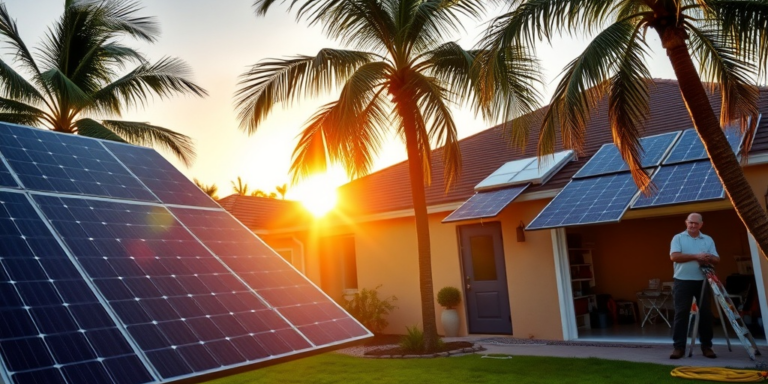
Imagine checking your energy bill during a scorching summer in Florida, only to find an eye-watering number staring back at you. You’ve just spent a small fortune keeping cool, and the numbers keep rising. Now, consider this: what if you could harness the power of the sun to cut those expenses dramatically? Did you know that Florida ranks as the second-highest state in the U.S. for solar power generation, with over 247,000 solar installations? According to the Solar Energy Industries Association, solar capacity in Florida has grown exponentially, and it’s projected to continue doing so through 2025 (SEIA.org). It’s no longer just a futuristic dream; it’s a feasible reality—especially with the current federal solar tax incentives. But here’s the twist: with the solar tax credit deadline looming, ignoring it could cost you thousands. That’s why this article is titled, Warning: Ignoring Solar Tax Credit Deadline Could Cost You Thousands.
As a Florida homeowner or commercial property owner, understanding the financial opportunities surrounding solar energy is crucial, especially this year. The federal solar tax credit allows homeowners to receive a credit against their federal taxes equal to 30% of the total cost of their solar system, but this benefit is set to decrease in the coming years. Moreover, as energy costs rise and climate policies evolve, making the switch to solar in 2025 could not only save you money but also shield you against unpredictable grid instability.
In this article, you will learn about the urgency and the wealth of opportunities that come with solar incentives. We will cover:
- The critical importance of acting before losing tax credits
- A detailed checklist on how to secure financial benefits
- Common myths about solar energy and their realities
- Specific information relevant to Florida homeowners
- Technical insights into solar panels and systems
Let’s embark on this enlightening journey, ensuring you capitalize on every dollar available. The time to act is now.
Why Ignoring the Solar Tax Credit Deadline is a Costly Mistake
As Tony, a long-time Florida homeowner, sat down to finalize his tax return, he thought all was in order. He had been contemplating solar panels for months but hadn’t taken the plunge. His recent energy bills had reached a staggering $300 per month, and the prospect of rising costs loomed even larger. It finally clicked for him: the federal solar tax credit was about to drop to only 26% in 2026 from the current 30%. By hesitating, he’d risk losing thousands of dollars in savings.
In a shocking case like Tony’s, it’s essential to recognize that the deadline for taking full advantage of these tax credits is not just a footnote—it’s a ticking clock. If you’re still on the fence, here’s a checklist to guide your decision-making and actions:
- Step 1: Research Solar Providers – Explore reputable companies like Florida Electric & Solar to understand the options available.
- Step 2: Get a Solar Assessment – A professional can evaluate your property’s potential for solar power and estimate your savings.
- Step 3: Design Your System – Customize your solar solution based on your energy needs, rooftop space, and budget.
- Step 4: Purchase and Install – Once you’ve made your choice, it’s time to proceed with the purchase and installation of your solar system.
- Step 5: Claim Your Tax Credit – Don’t forget to fill out IRS Form 5695 to claim your tax credit when filing your taxes.
As you can see, making the leap to solar energy is a series of structured steps that could lead to significant savings and peace of mind. But there are plenty of misconceptions that could hinder your journey. Let’s tackle a few of these.
Busting Common Myths About Solar Energy
Many homeowners encounter myths about solar power that can cloud their judgment and delay action. Here are some common misconceptions along with the straightforward truths that debunk them.
- Myth #1: Solar Panels Don’t Work on Cloudy Days – Florida’s sun is abundant, but even when it’s cloudy, solar panels can still generate electricity. In fact, they can produce 25% more energy even on overcast days (Energy.gov).
- Myth #2: Solar Energy is Too Expensive – While the initial purchase can seem high, tax credits and financing options make solar affordable. Over time, the savings on your electricity bill can offset initial costs significantly.
- Myth #3: Solar Power Isn’t Reliable – With advancements in energy storage technology, solar energy now offers a reliable power source even during outages or peak demand periods.
- Myth #4: All Homeowners Can Install Solar – Not every home is suited for solar, but reforms in legislation allow for more homes than ever to benefit, including those with shaded roofs through community solar programs.
- Myth #5: Solar Panels Require More Maintenance than They’re Worth – In reality, solar panels require minimal maintenance and come with warranties that often span 25 years or more.
Understanding these facts can push you towards making an informed decision about your energy future. Now let’s dive deeper into how solar impacts Florida homes specifically.
Understanding Solar Energy’s Local Focus in Florida
Florida, often referred to as the Sunshine State, is uniquely positioned for solar power generation. With an average of 237 sunny days each year, the state provides an ideal environment for harnessing solar energy. But there’s more to consider than just sun exposure.
- Solar Incentives: Florida has strong solar incentives designed to encourage homeowners to adopt renewable energy. The aforementioned federal solar tax credit allows for 30% back on your investment, making it easier to go solar.
- Utility Rates: Florida’s electric rates are projected to rise by 30% over the next decade (SolarReviews.com), making the switch to solar even more compelling. By solarizing, you can hedge against these expected increases.
- Net Metering Policies: Florida allows net metering, meaning you can sell excess electric back to the grid, further enhancing your return on investment.
With conditions so favorable, it’s evident why homeowners like Tony, once skeptical of rooftop panels, have turned to harness the endless supply of solar energy. But understanding the technology itself is equally critical.
A Deep Dive into Solar Technology for 2025
Understanding the technology behind solar power empowers you to make educated decisions when you’re ready to transition. Solar systems essentially consist of panels, inverters, and sometimes storage systems to maximize efficiency.
Solar Panels: These systems convert sunlight into direct current (DC) electricity. Most modern panels are made from monocrystalline silicon, known for high efficiency and durability. Certain provincial and federal incentives encourage the adoption of specific brands, often quality-tested against harsh conditions. Look for panels with a 25-year warranty and better performance ratings.
Inverters: This critical component converts DC electricity into alternating current (AC), which powers your home. There are different types of inverters—string inverters, microinverters, and power optimizers—each serving distinct needs. The choice of inverter can significantly affect your solar system’s overall efficiency, especially during partial shading of the panels.
Energy Storage Systems: Batteries, such as Tesla Powerwall, store excess energy for later use. They are making strides in Florida’s solar market, enabling homeowners to utilize solar energy even during non-sunny hours. The appeals in energy independence and reliability during outages become significant advantages.
In future articles, we will delve deeper into innovations within solar technology as they relate specifically to Florida homeowners. But before any homeowner makes the decision, the next steps for actualizing your solar dreams must be clear.
Next Steps for Florida Solar Buyers in 2025
Deciding to switch to solar can feel overwhelming, yet understanding the tangible steps makes for a smoother transition. Thus, here is a checklist to guide you on your solar journey.
- Step 1: Audit Your Electric Bill – Review your bills for patterns—how much power you use during peak hours can influence solar panel sizing.
- Step 2: Understand Your Home’s Sunshine Exposure – Evaluate if your roof has adequate exposure to sunlight, factoring in possible obstructions from trees or buildings.
- Step 3: Explore Financial Options – Consult with Florida Electric & Solar to discuss financing, grants, or loans that can help reduce upfront costs.
- Step 4: Secure a Professional Installer – Ensure your installer is certified and has a strong reputation to avoid future complications.
- Step 5: Take Advantage of Available Incentives – Now’s the time to make sure you are maximizing your financial benefits, taking full advantage of the tax credits before they diminish.
Following these steps sets you on a path towards energy independence, saving money, and making an environmentally conscious choice. As you take action, keep in mind why this transition matters.
Understanding the significance behind transitioning to solar energy is paramount. With rising energy costs, a growing array of incentives, and the certainty of dwindling tax credits, the moment to act is now.
Ready to start your solar journey in 2025? Connect with a certified expert at nyelectricandsolar.com today.
Related Articles
More insights about Solar Tax Credit

New York Solar Tax Credits Explained: How to Stack Federal and State Incentives

10 Critical Considerations for Solar Tax Credit Success

Don’t Delay Your Solar Tax Credit Application to Avoid Missing Benefits
Ready to Go Solar?
Have questions about solar energy? Our experts are here to help you make the switch to clean, renewable energy.