
Warning: Don’t Overlook These Critical Solar Panel Installation Risks
Share:
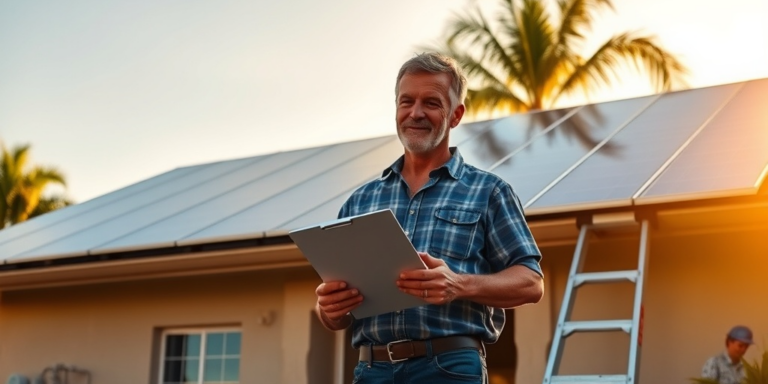
As Florida emerges as a crucial player in the renewable energy landscape, homeowners are increasingly considering solar power as a viable alternative to traditional energy sources. In fact, the solar market has seen explosive growth; by 2024, Florida is projected to rank among the top three states for solar installations nationwide (SEIA.org). However, with this growth comes an important but often overlooked reality. The article titled Warning: Don’t Overlook These Critical Solar Panel Installation Risks highlights the significant risks involved with solar panel installation that could jeopardize your investment and energy savings. Did you know that improper installation can reduce system efficiency by as much as 30%? (Energy.gov) This emphasizes the necessity of fostering awareness about installation risks as we approach 2025, a year filled with exciting solar incentives and rising electric costs that will inevitably impact your energy bills.
In a market characterized by fierce competition among solar providers, it can be difficult to differentiate between trustworthy companies and those that may cut corners. You might be wondering: What risks should you be aware of, and how can you protect yourself? This blog post aims to navigate you through five critical sections, elucidating installation risks, debunking myths, providing best practices, analyzing case studies, and presenting actionable steps to maximize your investment in solar. Together, we will pave the way for a successful transition to solar energy, helping you harness the sun’s power efficiently and effectively.
Understanding Installation Risks: A Glimpse into Your Solar Future
To fully appreciate the significance of solar panel installation, it’s essential to understand the risks involved in the process. Take Lisa, a homeowner in Orlando, who enthusiastically decided to switch to solar to save on her electric bills. She signed a contract with a company that promised high-efficiency panels but neglected to conduct a thorough assessment of her roof. The result? Less than optimal panel placement, leading to shaded areas that reduced her system’s performance and return on investment.
To ensure you are not caught in a predicament similar to Lisa’s, here is a checklist of essential steps every Florida homeowner should consider:
- Research Your Solar Provider: Look for customer reviews and testimonials, and consider companies that focus on education and transparency.
- Conduct a Roof Assessment: Always have a detailed evaluation of your roof’s condition and compatibility with solar installation.
- Understand Energy Needs: Work with your provider to evaluate current energy usage and future needs.
- Evaluate Equipment Quality: Understand the specific brands and make sure they meet industry standards for safety and efficiency.
- Check for Permits and Inspections: Ensure all necessary local permits are filed and inspections are performed to meet Florida’s requirements.
Many prospective solar owners mistakenly believe they can install panels on their own or hire unlicensed individuals to save costs. Myth #1: “I can DIY my solar installation.” This approach risks not only the efficiency and safety of the system but could result in costly repairs and penalties. According to the National Renewable Energy Laboratory, professionally installed systems yield higher performance and are typically more reliable (NREL.gov). Moving to Myth #2, there exists a belief that all solar panels are created equal. The reality is that efficiency, warranty, and technology can vary dramatically between panel manufacturers. This brings us to Myth #3: “All solar technologies are the same.” Emphasizing the need for careful selection, consulting experts beforehand is crucial in navigating through various options available in the Florida market.
Moving from general risks to Florida-specific intricacies, it is crucial to understand that many areas in the state experience intense rainfall and storms. Myth #4 perpetuates the notion that solar panels cannot withstand Florida’s harsh weather. In actuality, many panels are designed to endure extreme conditions, but subpar installation can lead to roof damage and system failure during storms. Finally, Myth #5 states that once solar panels are installed, there is no need for maintenance. This isn’t true, as regular upkeep not only extends the lifespan of your system but also ensures top-notch performance and maximum savings. Solar systems can typically require only minimal maintenance, yet neglecting it could impair your return on investment significantly.
In conclusion, understanding installation risks and the importance of professional, quality service is vital for Florida homeowners looking to harness solar energy effectively. With an estimated increase of 15% in energy costs expected in the next three years, the urgency to transition to solar energy cannot be overstated. Engaging with credible, experienced providers like nyelectricandsolar.com will empower you to avoid common pitfalls and optimize your solar journey. Moving forward, it is equally important to make informed decisions about your installation process.
The Solar Installation Checklist: Protecting Your Investment
Solar panel installation is an exciting venture but comes with a complex web of considerations. Here’s a detailed checklist to guide you through the essential steps to take before the installation begins:
- Assess Your Property: Analyze your roof for shading, angles, and viability for solar installation. Not every house is fit for solar.
- Consult with Experts: Engage professionals for an energy audit and discuss the potential savings and system specifications tailored to your needs.
- Legal Obligations: Familiarize yourself with local regulations and required permits. Each city may have specific guidelines for solar installations.
- Investment Costs: Continue assessing the financial aspects, including tax credits, rebates, and financing options for the best return on investment.
- Long-term Maintenance: Establish a plan for routine inspections, cleaning, and maintenance for optimal panel performance.
This checklist is essential to ensure a meticulous approach to the entire installation process. Along with securing your financial investment, it will create a smoother transition for you and your family as you switch to renewable energy. An interesting fact relevant to the Florida solar landscape is that, in 2025, new incentives will further enhance the financial viability of solar energy in the state (SolarReviews.com). This emphasizes the importance of engaging knowledgeable providers who can navigate these dynamic changes. Collaborating with a reputable company can make all the difference.
Listed below are a few additional factors to consider while moving through your checklist:
- Review Warranties: A sound warranty is crucial for ensuring long-term system performance.
- Monitor Performance: Establish a monitoring system to analyze energy production remotely.
- Understand Your System Configuration: Knowing how your panels, inverters, and batteries work together is key to optimizing energy production.
- Consider Battery Storage: Investigate battery storage options for backup power during outages, further enhancing the efficiency of your system.
As we evaluate these steps, the potential for savings is immense. Engaging an expert provider ensures that all angles are covered, from proper installation to system monitoring. When researching your options, be sure to connect with professionals at nyelectricandsolar.com for tailored support to fulfill your unique solar energy needs.
5 Expert Solar Installation Tips for 2025
As you prepare to embrace solar energy in 2025, ensuring a straightforward and efficient installation can help pave the way for long-term savings and energy autonomy. Here are five expert tips:
- Don’t Skimp on Panel Placement: Positioning matters. Optimal placement will prevent shading and maximize energy production throughout the day.
- Consider the Angle: The angle of your solar panels affects their overall performance. A tilt toward the sun during peak hours increases their efficiency.
- Stick to Quality Over Cost: Choosing affordable panels at the expense of quality may negate long-term savings. Opt for reputable brands to ensure you’re not compromising performance.
- Engage in Education: Take the time to understand the different solar technologies and how they can best serve your household energy needs.
- Backup Power Solutions: Explore the benefits of battery systems to store energy for nighttime use or emergency situations, which add a layer of resilience to your energy strategy.
According to the latest trends in solar technologies, these practices will inherently provide greater efficiency and longevity, directly impacting your energy independence and cost savings (DSIREUSA.org). As you implement these tips, remember that careful planning and execution ultimately lead to a successful solar installation and contribute to a greener future.
Lisa’s Journey: The Emotional Side of Going Solar
To further illustrate the importance of recognizing risks associated with installation, let’s delve deeper into Lisa’s solar journey. After her disappointing experience, Lisa felt a sense of frustration and anxiety. She had initially believed that she was making a smart investment, only to find herself grappling with issues stemming from poor installation. For Lisa, the frustrations accumulated beyond just her personal investment; they reflected the countless homeowners who were eyeing the advantages of solar energy but felt hesitant due to misinformation and fear of making bad decisions.
In her quest to rectify this situation, Lisa explored various professionals in the solar space, seeking out reputable and trusted companies. Here’s what she learned through her journey:
- Knowledge is Key: Lisa discovered providers who prioritize education, empowering clients by sharing valuable insights into the solar process.
- Professional Assessments Matter: Engaging professionals for consultations provided her clarity on her energy needs and appropriate installations.
- Boost Your Savings: Lisa learned about the energy savings potential from different systems and how to maximize them with smart design.
- Networking and Community Support: The solar community in Florida boasts resources and groups that offer assistance and share experiences among homeowners.
Lisa’s case reflects broader trends in the market. Many homeowners initially face challenges but overcome these trepidations through education and connecting with experts. The right knowledge allows for informed choices that lead to successful solar installations, enabling homeowners to embrace this sustainable energy source with confidence.
Next Steps for Florida Solar Buyers in 2025
As you embark on your journey toward solar energy, it’s essential to follow a defined action plan that mitigates risks and maximizes your investment. Here are the next steps to consider:
- Audit Your Electric Bill: Review your billing history to understand your energy usage. An audit will inform your system size and design.
- Research Your Options: Investigate various solar service providers. Seek recommendations and reviews focusing on customer satisfaction and results.
- Select the Right System: Consider factors such as panel efficiency, inverter type, and battery solutions before making a decision.
- Engage in Financing Conversations: Discuss financing options and incentives with your provider. With a bevy of federal and state incentives available, it’s crucial to explore what fits your budget and goals.
- Plan for Maintenance: Establish a maintenance schedule that aligns with your system type and environmental factors in Florida.
Following these steps will help remove uncertainties, allowing you to confidently take the plunge into solar energy. The importance of this decision cannot be overstated: a move toward solar power not only saves money but also contributes to a sustainable future. Start the research process with insights from experts at nyelectricandsolar.com to guide you along the way.
In conclusion, understanding the critical risks involved in solar panel installation and taking proactive steps can significantly influence the success of your solar journey. Awareness is key; it elevates your chances of avoiding common pitfalls, ensuring you make the most out of your investment. The urgency to adopt solar power cannot be ignored as 2025 rapidly approaches, bringing along increased economic and environmental challenges. Are you prepared to navigate this exciting new frontier? Together, let’s harness solar energy for a brighter future!
Ready to start your solar journey in 2025? Connect with a certified expert at nyelectricandsolar.com today.
Related Articles
More insights about Solar Panel

How Many Solar Panels Do You Need in Upstate New York?

Florida Homeowners: Why Solar Panel Maintenance Is Essential

7 Essential Steps for Solar Panel Installation Success
Ready to Go Solar?
Have questions about solar energy? Our experts are here to help you make the switch to clean, renewable energy.