
Why Florida Homeowners Should Consider Off-Grid Solar Systems
Share:
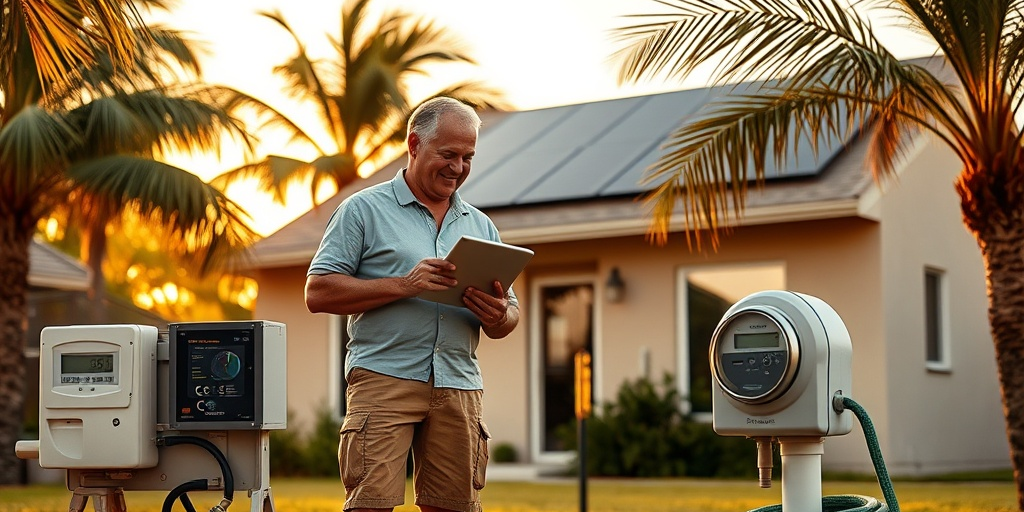
In a world that’s increasingly reliant on energy to power our daily lives, it’s astonishing to realize that nearly 60% of homeowners are still tethered to a grid system that can be costly, unstable, and inefficient (Energy.gov). With utility prices skyrocketing—Florida’s average residential electricity rate spiked by 10% in 2023 alone (SolarReviews.com)—the call for energy independence has never been louder. Imagine looking out your window, seeing the sun shine on your roof, and knowing that your power source is completely independent from the constraints and costs of utility companies. This is the promise of off-grid solar systems—a topic we’ll unpack in detail in our article titled “Why Florida Homeowners Should Consider Off-Grid Solar Systems.”
As we push into 2025, the urgency builds: increased energy costs, new tax incentives, and growing concerns about grid reliability make switching to off-grid solar systems not just a choice but a necessity for many Floridians. In this blog post, you will learn about the advantages of off-grid solar systems, explore real-life case studies, debunk common myths, assess technical specifics, and create a personalized action plan to embark on your solar journey.
**Here’s an overview of what to expect:**
1. A deep dive into the compelling reasons why off-grid solar is a great financial and practical solution for Florida homeowners.
2. A comprehensive checklist for choosing and installing your off-grid solar system.
3. A myth-busting segment addressing common misconceptions about solar power.
4. A focused look at Florida-specific data and regulations that make off-grid solar an appealing choice.
5. Expert-level insights on the technical components and considerations of off-grid systems.
With that in mind, let’s dive into our first section, exploring why an off-grid solar system can be a life-changing investment!
Exploring the Benefits of Off-Grid Solar Systems for Florida Homeowners
Consider the story of Jane and Tom, a couple who live in the quaint community of Winter Park, Florida. They had always been skeptical about solar energy, largely due to misconceptions surrounding its cost. However, after experiencing an 18% increase in their electric bill over two years, they reevaluated their options. Seeking guidance, they stumbled upon Florida Electric & Solar, who introduced them to the world of off-grid solar systems. “It felt like we were finally in control,” Tom expressed, reflecting on their decision. Not only did their solar installation provide them with energy independence, but they also experienced a significant reduction in their monthly expenses.
But what makes off-grid solar systems particularly appealing in Florida? The state enjoys an average of 237 sunny days a year (NOAA.gov), making it a prime location for harnessing solar energy. Coupled with Florida’s financial incentives, such as sales tax exemptions and property tax exemptions, homeowners can see a return on investment in less than 8 years. Here’s a quick checklist of compelling advantages:
- Energy Independence: Off-grid systems allow you to generate your power, reducing reliance on unpredictable utility companies.
- Cost-Effective: With solar panel prices dropping by nearly 70% over the last decade, installation has become more accessible than ever (SEIA.org).
- Increased Home Value: Homes equipped with solar energy installations see an increase in property value by an average of $15,000 (SolarReviews.com).
Common Myths About Solar Energy
As we navigate the solar landscape, it’s vital to address several misconceptions that have led many potential buyers astray.
- Myth #1: Solar systems are too expensive for the average homeowner.
In reality, the cost of solar energy has decreased significantly, and with state incentives, financing options, and net metering, it has never been more affordable! - Myth #2: Off-grid systems don’t provide enough power for daily needs.
Off-grid systems are designed to meet the specific needs of your household, typically utilizing battery storage to ensure power availability even when the sun isn’t shining. - Myth #3: Solar panels are unattractive and harm property aesthetics.
Modern solar technology has advanced such that panels can blend seamlessly with architectural designs, including solar shingles that look just like ordinary roofing materials.
After tackling these myths, it’s clear that the technological advances in solar systems provide affordable and appealing options for Floridians. But let’s look deeper—what are the components that make up an off-grid solar system?
Technical Deep-Dive: Understanding Off-Grid Solar Systems
Understanding the components of an off-grid solar system can empower you to make informed decisions. Here’s a breakdown of its key elements:
- Solar Panels: The heart of any solar system, these panels capture sunlight and convert it into electricity. Choosing high-efficiency panels can increase energy yield.
- Batteries: Unlike grid-tied systems, which send excess power back to the grid, off-grid systems rely on batteries to store energy for use during non-sunny periods. Look for lithium-ion batteries for enhanced longevity.
- Inverter: This important device converts the direct current (DC) electricity generated by the panels into alternating current (AC) electricity, which is what most household appliances use.
Installing an effective and efficient off-grid solar system begins with understanding how each part interacts to provide a sustainable energy solution for your Florida home.
In just this first section, we’ve explored the various benefits of off-grid solar systems, tackled some common myths, and delved into the technical specifications that define them. As we move into the next section, we’ll cover actionable steps to guide you through the decision-making process and installation!
The Essential Checklist for Going Off-Grid: A Step-by-Step Process for Florida Homeowners
Your path to energy independence begins with informed choices. Transitioning to an off-grid solar system can initially feel overwhelming, but following these steps can demystify the process and set you up for success.
- Step 1: Audit Your Energy Needs – Examine past electric bills to evaluate your usage patterns. Consider future needs as your energy demand may increase with changes, like adding family members or electric cars.
- Step 2: Research Solar Providers – Look for local solar installation companies with good reviews and a transparent track record, like nyelectricandsolar.com. Check if they have experience with off-grid systems specifically.
- Step 3: Understand the Financing Options – Explore various financing methods including leasing, loans, or cash purchase to determine what fits your financial situation best.
- Step 4: Choose the Right Equipment – Consult with your installer about the best quality solar panels, inverters, and batteries suitable for your energy load needs and local climate conditions.
- Step 5: Plan for Installation and Inspections – Work with the installation team for a timeline and ensure necessary permits are acquired. Proper installation is critical for system efficiency.
Once these crucial steps are completed, you’ll be on your way to enjoying the freedom and savings that off-grid solar systems provide. However, it’s important to understand how these systems work in a Florida context, especially in terms of regulations and policies. In the next section, we’ll dive deeper into the unique challenges and opportunities specifically affecting Florida homeowners interested in off-grid solar systems.
Florida-Specific Insights on Off-Grid Solar: The Regulations and Local Benefits
As Florida continues to embrace renewable energy, it’s important for homeowners to understand specific local regulations, incentives, and conditions that make going off-grid a sensible choice.
Firstly, the Florida Solar Rights Act ensures that homeowners cannot be denied access to solar energy based on local legislation. This means that if you decide to install off-grid solar systems, local authorities cannot block your efforts. With this supportive framework in place, off-grid solar can be an empowering option for homeowners.
Another significant advantage is the state’s generous policies surrounding net metering, which allows you to sell excess energy back to the grid. While this doesn’t apply strictly to off-grid systems, understanding the potential for hybrid systems can be crucial. Hybrid systems keep utility access as a backup, allowing you to tap into grid power if necessary while still enjoying off-grid benefits.
- Incentives: Many Florida homeowners qualify for the Solar Investment Tax Credit (ITC), which allows you to deduct 26% of your solar system cost from federal taxes. This further reduces your initial investment.
- Resilience against Hurricanes: With Florida’s propensity for hurricanes, off-grid solar systems can provide a reliable energy source during outages, keeping essential appliances running when the grid fails.
- Local Economic Impact: Investing in off-grid solar supports local jobs and promotes sustainability in Florida’s economy, contributing to a greener future.
Embracing off-grid solar systems enhances personal independence and reinforces Florida’s commitment to renewable energy. This investment paves the way for a cleaner, more sustainable future for generations to come. Now that we’ve covered the advantages and considerations, let’s turn our focus to practical installation tips that ensure your system will operate at its peak efficiency.
5 Expert Solar Installation Tips for Florida Homeowners in 2025
As 2025 approaches, savvy homeowners are already preparing for their solar journey. Here are five essential installation tips to maximize efficiency and savings.
- Don’t Skimp on Panel Placement: Make sure the solar panels are installed in an area that receives maximum sunlight throughout the year—ideally, facing south at a 30-degree angle to capture the most rays.
- Invest in High-Quality Equipment: Avoid lower-quality systems—these may save you money upfront but can lead to costly repairs or replacements down the line. Opt for reputable brands and systems with long warranties.
- Balance Your Energy Load: Understand your peak energy usage times and adjust your battery capacity and solar panel output accordingly. This will ensure that you have sufficient power when you need it most.
- Stay Updated on Local Policies: Keep abreast of any changes in regulations or incentives on installation, as these can impact your financial planning (read more at nyelectricandsolar.com). Staying informed ensures you maximize available opportunities.
- Choose a Reliable Installer: Work with certified solar installers that specialize in off-grid systems and have a strong track record. Proper installation is paramount for operational efficiency.
This section demonstrates how small choices can lead to significant results in your solar energy investments. Gaining insights from experts provides clarity amidst complexities, ensuring your system is set up properly to provide long-term savings and resilience. As we approach our final section, we’ll outline a strategic action plan for Florida homeowners looking to make the switch to off-grid systems.
Next Steps for Florida Solar Buyers in 2025
As we conclude our journey through the enlightening world of off-grid solar systems, it’s time to arm you with a concrete action plan tailored to Florida homeowners in 2025.
- Step 1: Audit Your Electric Bill – Gather your previous year’s electric bills to understand your energy consumption and identify savings potentials.
- Step 2: Evaluate Your Property – Determine the suitability of your roof for solar panel installation. Consider factors like shading, angle, and orientation.
- Step 3: Consult Local Experts – Get in touch with certified solar companies in Florida for assessments and quotes. Explore options that suit both your energy and financial needs.
- Step 4: Explore Financial Options – Review the financing models, including grants, loans, or payment plans to find what will work best for your budget.
- Step 5: Install and Celebrate! – Once you have chosen a provider, schedule your installation. Enjoy the peace of mind that comes with energy independence—and celebrate your contribution to a sustainable future!
This action plan reduces friction as you take the necessary steps to embrace solar energy. Transitioning to an off-grid solar system is not just a financial investment; it’s a commitment to your family’s future and the environment. With every step, you pave the way to a brighter and more sustainable tomorrow.
In conclusion, Florida homeowners have a unique opportunity in 2025—navigating the advantages, realities, and logistics of off-grid solar systems equips you to make informed decisions about energy independence. Remember the urgent need to escape rising utility costs, the potential impact of climate change, and the meaningful fiscal benefits of off-grid systems. This isn’t merely an investment; it’s a leap toward a self-sufficient, comfortable, and eco-conscious lifestyle.
Ready to start your solar journey in 2025? Connect with a certified expert at nyelectricandsolar.com today.
Related Articles
More insights about Off-Grid Solar

Myth-Buster: Off-Grid Solar Systems Are Not Always Unaffordable

What You Need to Know About Off-Grid Solar Systems

How One Florida Business Reduced Costs with Off-Grid Solar Systems
Ready to Go Solar?
Have questions about solar energy? Our experts are here to help you make the switch to clean, renewable energy.