
Avoid These Critical Mistakes When Installing Solar Panels
Share:
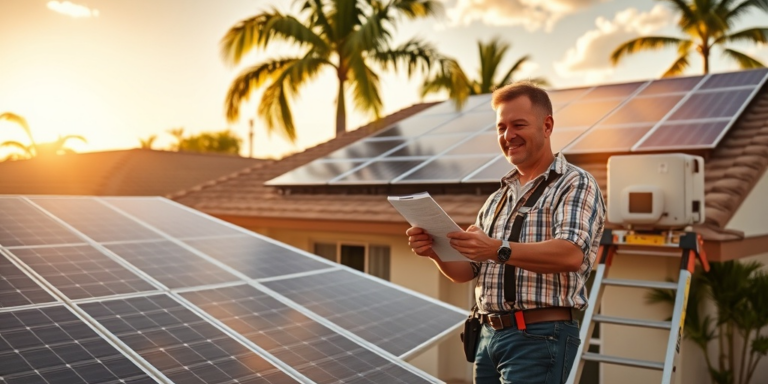
As a Florida homeowner, you may find yourself grappling with the daunting choice of adopting solar energy for your property. Did you know that nearly 80% of households that install solar panels experience significant reductions in their electric bills? However, it’s essential to understand that this transition is not without its challenges. In fact, many unsuspecting homeowners fall victim to costly blunders during the initial bonding experience with solar—leading them to ambiguities and regrets. That’s why today’s article is titled Avoid These Critical Mistakes When Installing Solar Panels.
According to recent statistics, Florida ranks third in the nation for solar energy capacity, reflecting the growing popularity of this renewable resource (SEIA.org). As we move rapidly towards 2025, now is the time to thoroughly educate yourself on solar panel installation to avoid critical mistakes. With rising energy costs and new solar incentives on the table, understanding the pitfalls of solar installation can ensure that your investment is both fruitful and efficient. This article delves deep into the common missteps to avoid, backed by compelling stories, statistics, and practical tips that will guide you through the solar journey.
This narrative is broken into five sections: First, we’ll explore a case study highlighting a Florida homeowner’s mistakes and triumphs. Next, we’ll provide a checklist of actionable steps to consider before your installation. Following that is a myth-busting segment addressing the common misconceptions surrounding solar. We will then narrow our focus to Florida-specific challenges and advantages. Finally, we’ll offer a technical deep dive into the mechanisms behind solar systems. Your journey into the realm of solar energy starts here—let’s ensure it’s a smooth one.
Common Pitfalls: Case Study of a Florida Homeowner’s Solar Installation Journey
Meet Rachel, an enthusiastic Florida homeowner excited about installing solar panels on her new home. With the state’s abundant sunshine, she believed it was the perfect decision to reduce her dependence on the grid and cut her electric bills. However, her experience was fraught with unexpected challenges. Rachel’s story illustrates several critical mistakes that can occur during the installation process.
One of her initial oversights was failing to conduct comprehensive research on solar installers. She relied solely on her budget and chose the lowest quote, which ultimately led her to a shoddy installation that compromised system performance. Post-installation, she found herself with lower efficiency levels than expected and ongoing maintenance issues that weren’t covered by the warranty. Shockingly, approximately 30% of solar panel installations in Florida encounter similar service-related pitfalls (SolarReviews.com).
As part of a corrective action, Rachel learned the importance of a proper checklist for securing a reliable installer:
- Verify Licenses and Certifications: Ensure the installation company has the necessary licenses and certifications to operate in Florida.
- Read Customer Reviews: Analyze recent customer feedback and ratings before making a selection.
- Evaluate Warranty and Service Terms: Investigate warranty specifics, including parts, performance, and service coverage.
Rachel’s experience teaches homeowners a vital lesson: taking shortcuts doesn’t save money in the long run; it often costs much more. Another significant mistake she made was assuming that her roof’s angle and orientation were perfectly suited for solar panels. After the installation, Rachel realized that a shading issue from neighboring trees degraded her system’s efficiency by more than 40%—a steep price to pay for overlooking site assessment (Energy.gov).
In conclusion, Rachel’s journey emphasizes the need for thorough preparation and informed decision-making when it comes to solar adoption. By understanding these common pitfalls and avoiding them, you can maximize the benefits of solar energy for your home.
5 Essential Steps to Ensure a Successful Solar Installation
Step 1: Assess Your Energy Needs – Before deciding to install solar panels, evaluate your household’s energy use. Review your electric bills to determine average monthly usage. Knowing your baseline will help you understand how many solar panels you need to effectively offset your energy costs.
Step 2: Conduct a Site Assessment – Arranging for a professional ger to perform a thorough site assessment is crucial. Factors such as roof angle, orientation, and potential shading from trees or nearby buildings can significantly influence panel effectiveness.
Step 3: Research and Compare Installers – Take your time to investigate various solar installation companies. Don’t hesitate to ask for quotes and references from each company, as a proper vetting process will save future headaches.
Step 4: Understand the Financial Implications – Familiarize yourself with the costs associated with solar installation. Take note of federal and state tax credits, potential rebates, and financing options available in Florida to maximize your overall investment (NREL.gov).
Step 5: Plan for Maintenance and Monitoring – Solar power systems require ongoing maintenance and monitoring to ensure longevity. Consider service agreements that cover routine inspections and repairs, so you can rest easy knowing that your investment remains operational.
By following this structured checklist, Florida homeowners can position themselves for success during solar panel installation, allowing them to enjoy clean and efficient energy for years to come.
Myth-Busting: Common Misconceptions About Solar Energy
When it comes to solar energy, several myths can mislead potential buyers into poor decisions, costing them time and money. Let’s dispel five of the most common myths surrounding solar panel installation:
Myth #1: Solar Panels Are Too Expensive – Many homeowners still believe that financing a solar system is beyond their financial reach. However, with incentives like the federal tax credit and various financing options, many find that installing solar panels is more affordable than they anticipated (SEIA.org).
Myth #2: Solar Energy Doesn’t Work in Cloudy Weather – Some people worry that solar panels are ineffective during the rainy Florida seasons. In reality, solar panels can still generate electricity under cloudy conditions. In fact, most systems operate effectively on partially cloudy days as well.
Myth #3: You Need to Be Off the Grid to Go Solar – There is a prevailing assumption that homeowners must become entirely energy-independent to go solar. In fact, many households remain connected to the grid while using solar energy to lower their reliance on it, resulting in decreased utility bills.
Myth #4: Solar Panels Require Too Much Maintenance – Surprisingly, solar systems are relatively low-maintenance. Regular debris cleaning and occasional inverter checks typically suffice to keep them operational, making them an easy addition to any home (Energy.gov).
Myth #5: Solar Panels Are Ugly and Reduce Curb Appeal – Aesthetic concerns often deter homeowners from considering solar energy. However, with advancements in design and technology, solar panels can complement the appearance of contemporary homes without sacrificing curb appeal.
Now that we’ve tackled these misconceptions, it’s essential to formulate a well-informed strategy for navigating the solar landscape in Florida.
Understanding Florida’s Solar Landscape: Local Focus
Florida holds a unique position among U.S. states when it comes to solar energy, combining abundant sunshine with specific regulatory frameworks. As a Florida homeowner, understanding local policies and incentives is crucial before installing solar panels.
For instance, Florida’s solar tax credits continue to provide substantial savings opportunities, significantly reducing the installation costs. By leveraging the federal solar investment tax credit (ITC), which allows for a 26% tax reduction on qualifying solar systems, many homeowners find it easier to afford solar solutions (DSIREUSA.org).
Additionally, net metering policies in Florida allow homeowners to receive credits for excess energy generated by their solar systems, offering them the chance to offset future electric bills. This legislative support for solar energy has propelled Florida’s ranking as one of the top states for solar installations.
But while the incentives may sound favorable, there are challenges too. Community restrictions and homeowners’ association regulations can pose limitations on solar panel installations in some neighborhoods. It’s essential to consult with local zoning laws and your HOA guidelines before moving forward with a solar installation.
In summary, understanding the specific laws, incentives, and challenges of solar energy in Florida equips homeowners with the knowledge necessary to navigate the solar landscape wisely.
Crafting a Clear Solar Action Plan for 2025
The path to solar energy can feel overwhelming, but clarity is key. To guide you through making informed decisions, here’s a straightforward action plan for Florida solar buyers in 2025:
- Step 1: Audit Your Electric Bill – Review your past 12 months of electricity usage to determine your average consumption. This audit will inform your solar energy needs.
- Step 2: Consult with Experts – Reach out to certified solar professionals to discuss your options. Websites like nyelectricandsolar.com provide a solid starting point for expert consultation.
- Step 3: Explore Financing Options – Understand the available financing solutions, rebates, and tax credits that could minimize your costs and maximize savings.
- Step 4: Review Community Regulations – Check with your local HOA and municipal regulations for any installation restrictions before proceeding.
- Step 5: Schedule Site Assessments – Coordination of professional assessments is critical to ensuring your solar system is appropriately designed for your home.
By adhering to this structured action plan, Florida homeowners can pave the way for a successful solar journey, helping them seize the abundant benefits solar energy has to offer.
Conclusion: Your Solar Future Begins Now
In conclusion, navigating the solar installation process does not need to be a daunting task. Through the examination of critical mistakes, actionable steps, and a deep dive into the specific landscape of Florida’s solar energy market, we have provided you with essential insights to kickstart your solar journey. The urgency to harness solar energy is palpable, given the rising electricity costs and the ongoing benefits of governmental incentives. Solar energy is not just about economics—it’s about creating a sustainable future for your family and community.
As you stand on the precipice of this significant decision, remember: informed choices lead to successful outcomes. Take the time to educate yourself and strategize wisely to ensure your solar installation process is seamless and effective. The resources available to you are vast, but your commitment to clean energy will pave the way to energy independence and financial freedom.
Ready to start your solar journey in 2025? Connect with a certified expert at nyelectricandsolar.com today.
Related Articles
More insights about Solar Panels

How Much Does It Cost to Install Solar Panels in New York?

Do Solar Panels Work on a Metal Roof? What New York Homeowners Should Know

Myth: Solar Panels Don’t Increase Home Value in Florida
Ready to Go Solar?
Have questions about solar energy? Our experts are here to help you make the switch to clean, renewable energy.