
Expert Insights: The Lifespan of Your Solar Panels Explained
Share:
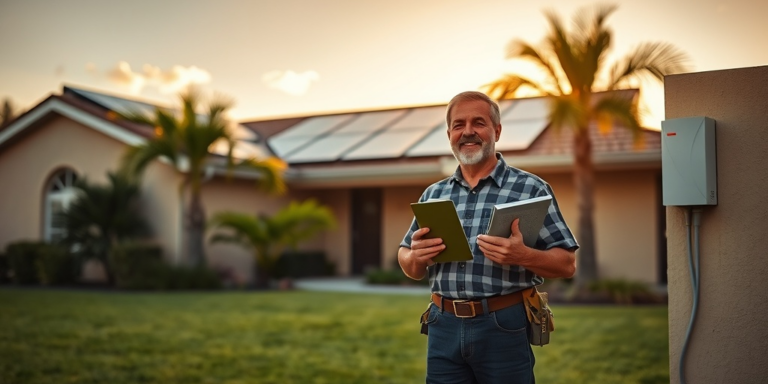
Have you ever wondered about the longevity of the solar panels adorning your roof? One bold statistic to consider is that most solar panels have a lifespan of 25 to 30 years (Energy.gov). That’s a significant commitment, wouldn’t you agree? More homeowners are discovering that switching to solar energy isn’t just about immediate savings—it’s about long-term investment. In our comprehensive guide titled “Expert Insights: The Lifespan of Your Solar Panels Explained,” we delve into the various factors that influence the lifespan of your solar panels, offering you essential insights on how to maximize your investment. It’s crucial to understand this in 2025, as rising energy costs and heightened climate change awareness make solar energy an increasingly attractive choice for Florida homeowners. Today, we’ll explore five sections: understanding the materials that constitute solar panels, debunking common myths about their durability, best practices for installation and maintenance, emotional narratives of Florida homeowners who transitioned to solar energy, and actionable steps you can take to embark on your solar journey.
The Hidden Science Behind Solar Panel Lifespan
There is more to solar panel lifespan than meets the eye. To grasp how long your investment will last, it’s essential to examine factors such as material quality, local conditions, and installation practices. Cited studies suggest that most solar panels lose about 0.5% of their efficiency per year, leading to around 20% efficiency loss over a 25-year period (SEIA.org). This raises an important question: how can homeowners like you navigate these factors to ensure the longevity of your solar power systems?
Take the inspiring case of Lisa, a Florida homeowner who decided to equip her house with solar panels three years ago. After thorough research, she discovered two critical aspects that determined the durability of her solar system: the brand of panels she chose and the quality of installation. Lisa picked high-efficiency panels with robust warranties from a reputable manufacturer. As she recalls, “I was initially hesitant, but the substantial warranties helped me feel more secure about my investment.” Keeping these factors in mind, let’s break down the essentials into a practical checklist:
- Choose Quality Materials: Don’t compromise on the brand! Opt for panels that carry lengthy warranties, as they assure durability.
- Professional Installation: The installation process significantly impacts performance. Choose a certified installer with positive reviews.
- Regular Maintenance: Schedule annual inspections to check for debris accumulation or damage.
- Monitor Performance: Use monitoring systems to gauge your panels’ efficiency continuously.
- Understand Florida’s Climate: Prepare your system for extreme weather, especially storms and high humidity.
Now, let’s dispel some myths that might cloud your decision-making process about solar energy longevity.
Common Misconceptions About Solar Panel Lifespan
As the solar energy market flourishes, so does misinformation. Here, we tackle some prevalent myths head-on:
- Myth #1: Solar panels only last a few years. In reality, most panels have a lifespan of 25-30 years.
- Myth #2: All panels degrade at the same rate. Not true! High-quality panels degrade slower than cheaper counterparts (SolarReviews.com).
- Myth #3: Solar panels are too fragile to withstand Florida weather. Many solar panels are designed to endure harsh conditions, including storms and humidity.
- Myth #4: Once installed, there’s no need to maintain them. Regular maintenance can significantly extend the lifespan and efficiency of your panels.
With a clearer understanding of common misconceptions, you’re equipped to navigate your solar journey. But what should Florida homeowners be particularly vigilant about? Let’s focus on some localized factors affecting solar panel performance.
Florida-Specific Considerations for Solar Lifespan
Floridians must consider unique factors that can influence solar longevity. The state’s hurricane season and extreme humidity can impact the structural integrity and efficiency of solar panels. Depending on where you live, your local solar market may differ. For example, research shows that Florida leads the nation in residential solar installations, with over 1.2 million installations across the state (NREL.gov). However, your area may have regulatory policies that can impact your installation choices.
Additionally, our unique climate influences routine maintenance practices. To maximize performance and durability, consider the following:
- Conduct regular inspections to ensure that your panels are free from mold and mildew, common problems in Florida’s humid environment.
- Evaluate tree growth around your solar system and trim branches that may cast shade, affecting performance.
- Be proactive during hurricane season by securing your panels to ensure they stay intact when high winds hit.
Now, let’s dive deeper into the technical aspects that underpin solar panel lifespan and the vital components involved.
Understanding Solar Panel Components: The Technical Deep Dive
From their materials to their installation, various technical components help shape the lifespan of solar panels. Here’s a thorough breakdown:
- Solar Cells: Most panels comprise silicon-based cells (monocrystalline or polycrystalline). Monocrystalline panels tend to have longer lifespans and efficiencies.
- Inverter: This critical component converts DC electricity generated by your panels into AC electricity used within your home. A high-quality inverter typically sees a lifespan of 5-10 years, so be prepared to replace it during the life of your panels.
- Mounting Equipment: TheChoice of mounting system can affect long-term durability. Industrial-grade brackets provide superior strength and are resistant to corrosion.
With a better grasp of the underlying mechanics, let’s explore best practices for ensuring the maximum lifespan of your solar panels.
5 Expert Solar Installation Tips for 2025
As we look toward 2025, the solar industry is evolving, and so too must your approach. Here are five expert tips for a thriving solar installation:
- Choose the Right Time for Installation: Avoid peak hurricane season for installations. Late spring or early fall is ideal.
- Consider Future Expansion: Plan your installation to accommodate future solar technologies or additional panels.
- Consult Local Experts: Collaborate with Florida-based solar experts who understand state-specific requirements and conditions.
- Appraise Financing Options: Research tax credits and financing plans to reduce upfront costs, maximizing long-term savings.
- Take Your Time: Rushing your decision can lead to oversights. Take your time to evaluate all your options.
Recognizing that multiple considerations shape your solar experience will prepare you for better outcomes. To further this commitment, let’s examine a hypothetical journey of a Florida homeowner transitioning to solar for the first time.
Stories of Transformation: A Florida Homeowner’s Journey
Imagine Sarah, a mother of two living in Naples, Florida. Frustrated by rising electric bills, she began exploring solar options. After researching, she decided to transition to solar energy to not only reduce her bills but also create a sustainable home for her family.
Sarah’s journey involved navigating a wealth of choices. She started by comparing different solar companies in her area. She dedicated herself to asking questions about materials, installation processes, and warranties. Through her efforts, she narrowed her options down to three contractors and ultimately chose one with stellar reviews.
After installation, however, she realized she needed to adopt a proactive maintenance routine to maintain efficiency. Sarah notes, “I started inspecting the panels regularly and even joined a local solar group. These efforts have not only kept my panels functioning but also connected me with like-minded individuals!”
Reflecting upon her journey, Sarah shares seven steps that contributed to her success:
- Research local solar companies thoroughly to find credible options.
- Inquire about warranties before making a purchase.
- Develop a maintenance plan to address issues promptly.
- Engage with your community and learn from others’ experiences.
- Utilize monitoring systems to keep track of energy production.
- Be proactive, especially during Florida’s storm season.
- Celebrate milestones, whether that’s your first month of savings or community engagement.
Next Steps for Florida Solar Buyers in 2025
As a prospective solar buyer, understanding your path to solar energy is crucial. Start with a structured approach:
- Audit Your Electric Bill: Review your current electricity consumption and costs to determine potential savings.
- Research and Compare: Obtain several quotes from reputable solar installers in Florida.
- Ask Questions: Clarify warranties, installation timelines, and equipment quality with your chosen installer.
- Understand Financing Options: Investigate state policies and federal incentives that could ease the financial burden.
- Prepare for Installation: Ensure your roof is suitable for solar panels and that local regulations are met.
For more insights on taking your next steps, consider visiting nyelectricandsolar.com.
Embracing the Future: Conclusion
Understanding the lifespan of your solar panels is just one aspect of your broader solar journey—a journey taken by informed, engaged homeowners who want to harness the power of the sun. The choices you make today will influence your energy bills for years to come and shape your family’s future.
With accurate knowledge, clear action steps, and inspiring success stories, you have the tools to elevate your solar experience. 2025 is poised to be a transformative year for solar in Florida; as energy costs rise and climate concerns heighten, the call for sustainable solutions grows louder. Now is the time to act.
Ready to start your solar journey in 2025? Connect with a certified expert at nyelectricandsolar.com today.
Related Articles
More insights about Solar Panels

How Much Does It Cost to Install Solar Panels in New York?

Do Solar Panels Work on a Metal Roof? What New York Homeowners Should Know

Myth: Solar Panels Don’t Increase Home Value in Florida
Ready to Go Solar?
Have questions about solar energy? Our experts are here to help you make the switch to clean, renewable energy.