
What Is the Installation Timeline for Solar Panel Systems?
Share:
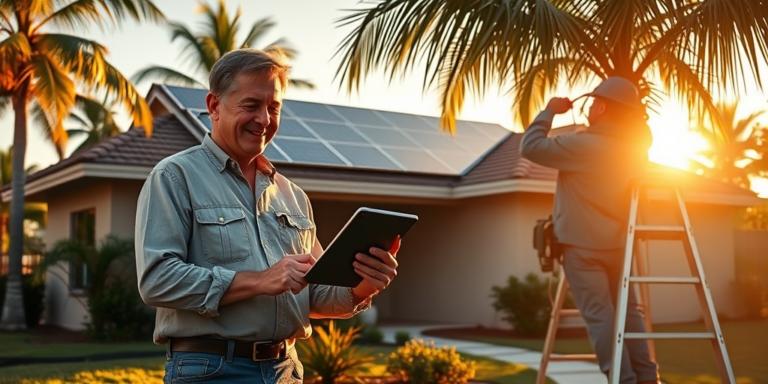
In 2025, transitioning to solar energy is not just a trend; it’s an urgent necessity for Florida homeowners. With rising energy costs and an increasing reliance on renewable sources, investing in solar power offers not just savings but a sustainable solution for the future. Did you know that homeowners with solar panel systems can save an average of 50% on their energy bills? Or that more than 25% of Florida’s electricity comes from solar? These statistics underline the significance of understanding the entire process behind adopting solar energy, especially the intricate installation timeline for solar panel systems.
In this article, titled What Is the Installation Timeline for Solar Panel Systems?, we will provide you with a detailed, step-by-step guide through the process. From initial consultations to the final activation of your new energy solution, our complete overview will equip you with the knowledge to navigate this journey with confidence. As the sunniest state in the U.S., Florida stands at the forefront of solar energy advancements, and 2025 promises to be an exciting year for homeowners interested in harnessing this power.
As you read further, you can expect to learn about the installation timeline, typical hurdles you may face, actionable steps to prepare your property, and common misconceptions surrounding solar installations. We will break the process down into five sections: a deep dive into the solar installation process, a checklist to manage your experience, myth-busting to address your concerns, a local focus to highlight Florida’s unique attributes, and a technical deep dive into the systems and policies that will impact you as a buyer. By the end of this article, you will have a clear roadmap laid out for your solar journey in 2025.
Understanding the Installation Timeline for Solar Panel Systems
Penny was thrilled when she and her husband decided to install solar panels on their charming home in Central Florida. After years of watching utility costs rise, the thought of generating their own electricity was liberating. Still, the installation process felt daunting. Understanding the installation timeline for solar panel systems became her first challenge. How long would it take? What were the steps?
The solar installation process typically spans several phases, involving everything from site assessment to getting your system operational. Here’s a succinct overview of the critical steps in the timeline:
- Consultation and Site Assessment – This initial phase can take 1-2 weeks. Your solar provider will schedule an on-site evaluation to assess your roof’s condition, shading from surrounding trees, and energy needs.
- Designing Your System – Following the assessment, engineers create a customized solar design. This phase can take 1-3 weeks, depending on necessary adjustments.
- Permitting and Approval – Your local government must review and approve all installations, which typically lasts 2-8 weeks, depending on local requirements. The good news? Florida’s favorable solar policies often expedite this process.
- Installation – Actual installation usually takes only 1-3 days, but this is where the excitement peaks! Your panels, inverters, and any battery systems will be installed, and the crew will ensure everything meets safety regulations.
- Inspection and Interconnection – After installation, your system must pass a final inspection. This often takes another 1-3 weeks, during which your utility company also reviews your application to connect your system to the grid.
The entire installation timeline can span anywhere from 6 to 12 weeks from consultation to activation. As Penny navigated these stages, it became clear how organized and committed her chosen solar provider was. Not only did she learn a lot about solar energy, but each step allowed her to feel more confident about her investment in solar technology.
Here’s a checklist of key action items to help you prepare:
- Conduct an energy audit to determine your usage before installation.
- Explore financing options available for solar systems to maximize savings.
- Research incentives like the federal tax credit that can reduce upfront costs.
Many homeowners may harbor misconceptions about solar energy systems. Here’s an exploration of a few myths:
Myth-Buster: Vacuuming Up Misconceptions
It’s time to clear the air regarding some common misunderstandings. Addressing these myths will empower your decision-making process as you approach your solar installation.
Myth #1: Solar Panels Can Only Be Installed on New Homes
This is not true! Many existing homes in Florida can be retrofitted for solar panel installation. Existing roofs can often accommodate solar technology with proper assessment and evaluation (Energy.gov).
Myth #2: Solar Panels Work Only on Sunny Days
While solar panels are most efficient in direct sunlight, they can still function on cloudy days. Any sunlight contributes to energy production, so you will benefit from solar energy, regardless of weather conditions (NREL.gov).
Myth #3: Installing Solar Is Too Expensive
The initial investment may seem high, but essential incentives significantly reduce the price, including state sales tax exemptions and property tax exemptions for solar installations in Florida (SEIA.org).
Myth #4: Solar Will Lower My Property Value
Contrary to this belief, homes equipped with solar power systems appreciate in value, with buyers often willing to pay significantly more (Realtor.com).
Myth #5: I’ll Have to Store Energy—It’s Complicated
Battery storage systems are optional. Most homeowners can sell excess energy back to the grid, thus avoiding the complexity of battery storage while enjoying the financial benefits (SolarReviews.com).
As you step forward into your solar adventure, recognizing these realities can dispel fears and help you anticipate a successful journey.
Capitalizing on Florida’s Unique Solar Opportunities
Florida has become the national leader in solar energy; therefore, your path toward clean, renewable energy is particularly documented here. The state has committed to expanding renewable energy sources, offering a unique blend of incentives and programs that are advantageous for homeowners.
- In 2021, Florida had over 130,000 solar customers, showcasing a growing adoption among residents (Florida Power and Light).
- The solar tax exemptions in Florida allow homeowners to save on upfront costs significantly, enhancing the attractiveness of installing solar panels (DSIREUSA.org).
- Florida homeowners benefit from net metering policies, which allows them to sell excess electricity back to the grid (SEIA.org).
As the sun shines mercifully over Florida, consider how you might leverage these benefits into your own solar journey. Selecting a reputable solar provider ensures that you can tailor the energy solution to suit your property and its unique features. At nyelectricandsolar.com, we take pride in our local expertise and dedication to guiding you through this transition.
5 Expert Solar Installation Tips for 2025
Now that you are informed about the timeline and specifics, let’s dive into some expert tips for maximizing your solar benefits in 2025.
Tip #1: Choose the Right Location for Your Panels
Don’t skimp on panel placement! Optimal positioning maximizes energy capture. Solar panels should ideally be installed on south- or west-facing rooftops that are free from overshadowing trees or structures.
Tip #2: Select High-Quality Equipment
Quality solar panels and inverters offer better efficiency and longevity. Research and consult with your contractor about top-rated options that fit your budget and energy needs.
Tip #3: Invest in Monitoring Software
Installing a monitoring system allows you to track energy production and performance over time. By keeping tabs on how much energy you generate, you’re also empowered to take action if production drops.
Tip #4: Optimize Your Home’s Energy Efficiency
Enhancing your home’s overall energy efficiency ensures that your solar system works in tandem with your appliances and lighting, maximizing savings in the long run. Conduct energy audits, and upgrade where necessary.
Tip #5: Stay Updated on Policies and Incentives
Incentives can change year over year in Florida. Part of your role as a solar owner will include staying informed about discounts available through both federal and state programs.
By adhering to these recommendations, you are setting a solid foundation for your solar energy venture. With careful planning and execution, your installation will run smoothly, positioning you to enjoy the benefits of solar energy sooner.
A Journey Through Solar Commitment: A Florida Case Study
Meet Sarah Johnson, a retired school teacher based in Sarasota. As she neared retirement, her concern regarding bills loomed like a cloud. With state-sponsored programs making solar energy more accessible, she considered making the switch to solar. Sarah’s journey through installation gave her the chance to maximize benefits while navigating risks.
- Research and Assessment – Sarah gathered information from different providers, which gave her insights into the costs and savings associated with solar energy.
- Choosing the Right Provider – She met with multiple professionals and found a company that aligned with her budget and values. Choosing providers who are familiar with local systems was key.
- Installation – The installation took two days. Sarah observed the team carefully as they meticulously installed panels, learning that safety and precision were paramount.
- Inspection and Interconnection – After installation, her utility provider came for inspection, which was a quick process because they knew her provider well and greenlit the connection!
- Now Enjoying Solar – Sarah has already noted a steady drop in her electric bills, with indications that the solar installation will pay for itself in five years.
Sarah’s experience serves as a testament to how engaging with the right local solar provider helped demystify the process. As a result, her journey was not only smooth but also empowering, allowing her to embrace the clean energy future confidently.
Next Steps for Florida Solar Buyers in 2025
Having navigated the intricacies of the solar installation timeline, you are now well-prepared to take the next step toward your energy transformation. Here’s how you can make this journey as smooth as possible:
- Step 1: Audit Your Electric Bill – Analyze your energy usage to get an accurate gauge of your needs moving forward.
- Step 2: Choose a Reputable Solar Provider – Research local contractors and seek the best fit based on reviews, services offered, and warranties.
- Step 3: Understand State Incentives – Be sure to explore state-level incentives available to Florida residents that can substantially lower costs.
- Step 4: Finalize Your Design and Installation Schedule – Work closely with your solar provider to confirm system design and secure timelines for installation.
- Step 5: Prepare for Activation – This includes ensuring all permits are in place and lines of communication remain open between your installer and the utility company.
Armed with this actionable plan, you can embark on your solar journey with clarity and confidence. Remember, each successful installation is a step toward energy independence, savings, and a sustainable future.
In conclusion, transitioning to solar energy poses a host of advantages. Not only does it offer significant savings on monthly utility bills, but it also aids Florida in the movement toward renewable energy. The urgency of going solar in 2025 cannot be overstated, considering the ongoing rise in energy costs and the compelling benefits it brings to both your home and the environment.
As you ponder this decision, reflect on the stories of homeowners like Sarah and Penny—they embraced change and are now advocacy representatives for solar power in their communities. By taking the leap into solar, you too can enjoy cleaner energy, reduced bills, and pride in contributing to a sustainable future for Florida.
Ready to start your solar journey in 2025? Connect with a certified expert at nyelectricandsolar.com today.
Related Articles
More insights about Solar Panels

How Much Does It Cost to Install Solar Panels in New York?

Do Solar Panels Work on a Metal Roof? What New York Homeowners Should Know

Myth: Solar Panels Don’t Increase Home Value in Florida
Ready to Go Solar?
Have questions about solar energy? Our experts are here to help you make the switch to clean, renewable energy.